By Wayne Roberts | January 13, 2026
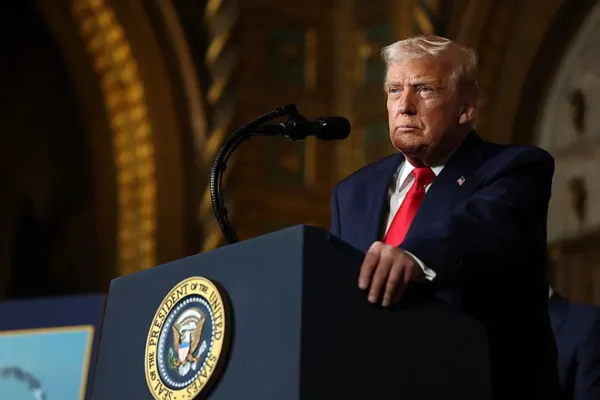
WASHINGTON — President Donald J. Trump took an assertive and controversial stand Tuesday in response to Iran’s escalating crisis, cancelling all scheduled diplomatic engagements with Iranian regime officials and publicly urging protesters inside the Islamic Republic to “take over your institutions” as Tehran’s crackdown continues with mounting casualties.
In a post on his Truth Social platform Tuesday morning, the president wrote, “Iranian Patriots, KEEP PROTESTING — TAKE OVER YOUR INSTITUTIONS!!! Save the names of the killers and abusers. They will pay a big price,” adding that he has cancelled all meetings with Iranian officials “until the senseless killing of protesters STOPS” and that “HELP IS ON ITS WAY.”
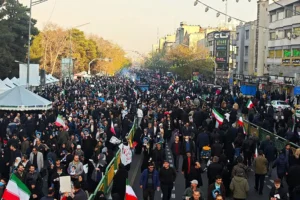
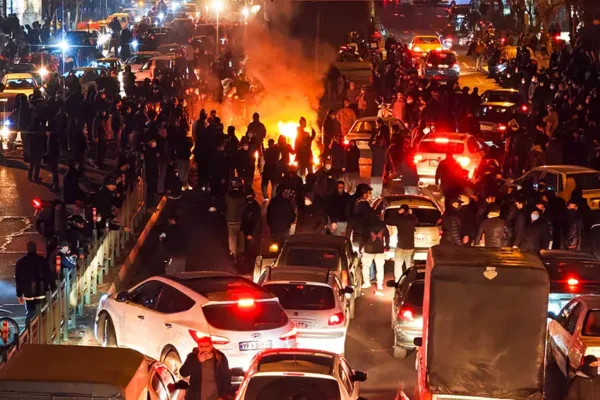
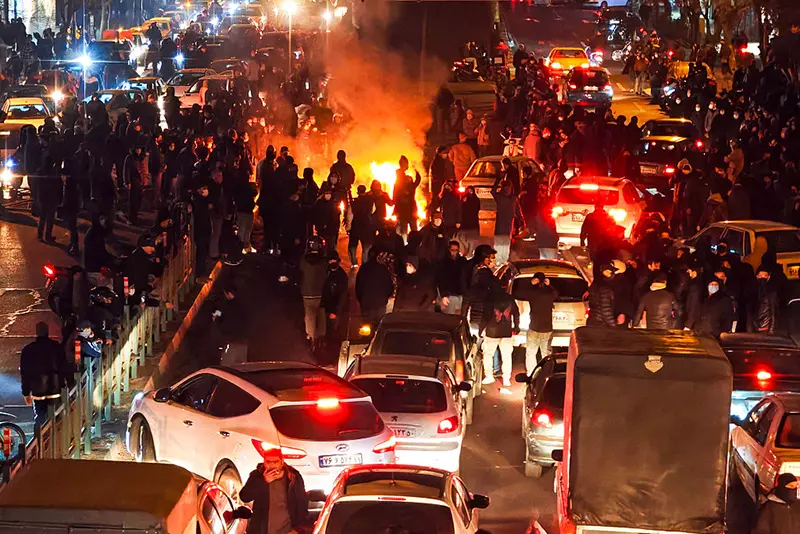
The forceful message came as independent monitoring groups report that the death toll from Iran’s anti-government protests — now in their third week — has soared to at least 2,000 people, with more than 10,000 arrests as security forces continue to suppress demonstrations nationwide.
Rising Stakes in Tehran
The unrest began as economic grievances but has evolved into widespread calls for the ouster of Iran’s theocratic leadership, particularly Supreme Leader Ayatollah Ali Khamenei. Demonstrations have spread to all 31 provinces despite a strict internet and phone blackout imposed by authorities, complicating independent verification of casualty figures.
Iran’s leadership has fiercely defended its response, blaming foreign interference and accusing the U.S. and Israel of fomenting unrest — allegations Washington flatly rejects. Iranian officials have insisted that some level of communication with U.S. envoys continues, even after Trump’s latest public break in diplomatic engagement.
U.S. Response: Diplomacy Suspended, Options Unclear
At an auto factory in Michigan, Trump amplified his message, though he declined to specify what sort of “help” the United States might provide. “You’re going to have to figure that one out,” he told reporters when pressed on details.
The administration has hinted at exploring a range of responses — from heightened sanctions to potential military options — though officials insist diplomacy remains the first preference. Meanwhile, Vice President J.D. Vance and Secretary of State Marco Rubio are said to be reviewing options with national security advisers.
Trump’s stance marks one of the most dramatic U.S. presidential interventions in Iran’s internal politics in decades — a signal both of support for regime opponents and of pressure on Tehran’s hardliners. Critics warn such rhetoric could escalate tensions further while allies in Europe cautiously condemn the Iranian crackdown but have stopped short of endorsing military action.
International Reactions
Global responses have been mixed. Some Western governments have condemned Iran’s violent suppression of peaceful protestors and called for restraint, while others stress the importance of sovereignty and caution against external interference in domestic affairs. Tehran’s clerical hierarchy has dismissed Trump’s call as destabilizing and illegitimate, framing it as an attempt to provoke chaos for strategic gain.
As protests continue and international scrutiny intensifies, the situation on the ground remains perilous for ordinary Iranians caught between security force crackdowns and political upheaval.
Wayne Roberts is a journalist specializing in world affairs, covering international politics, global security, and major geopolitical developments.