By Susan S. Moore | January 13, 2026
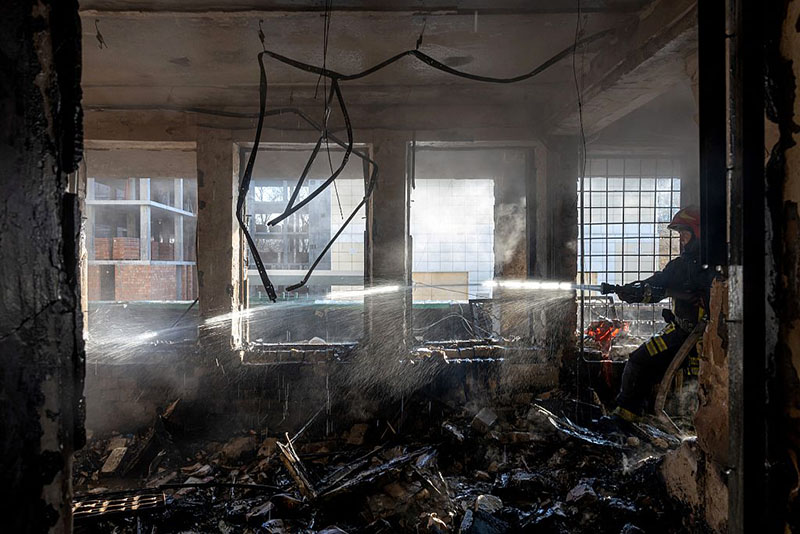
In another grim escalation of the nearly four-year conflict, Russia launched an unprecedented overnight aerial onslaught against Ukraine, firing nearly 300 attack drones, 18 ballistic missiles and seven cruise missiles across eight Ukrainian regions, Ukrainian officials reported. The barrage targeted critical energy infrastructure, residential areas and civilian centers, compounding what the United Nations now confirms was the deadliest year for Ukrainian civilians since Russia’s full-scale invasion in 2022.
The scale of the assault, which Ukrainian President Volodymyr Zelenskyy said lasted hours, overwhelmed air defense units and cut power and heat amid freezing winter temperatures. In Kharkiv, at least four civilians were killed, while parts of Kyiv went dark with heating and electricity outages reported in hundreds of residential buildings. Municipal officials called the blackout the worst the capital has endured this winter.
The strikes hit eight regions, including the capital and other major population centers, underscoring Moscow’s relentless push into Ukraine’s interior even as international efforts to mediate the war continue. The United States condemned the attacks as a “dangerous and inexplicable escalation” of the conflict, especially in the context of ongoing diplomatic discussions.
Civilian Toll Reaches Record Heights
In a separate but related blow, the U.N. Human Rights Monitoring Mission in Ukraine (HRMMU) reported that 2025 was the deadliest year on record for Ukrainian civilians since the full-scale invasion began in February 2022. According to the mission’s latest findings, 2,514 civilians were killed and 12,142 wounded last year, marking a sharp rise compared with both 2024 and 2023.
The majority of these casualties occurred in government-controlled areas and were attributed to Russia’s expanded use of long-range missiles and drone strikes, which have increasingly targeted not just frontline positions but also urban and civilian infrastructure nationwide.
“The dramatic escalation in civilian deaths in 2025 reflects not just the scale of hostilities but also a disturbing trend in the expanded use of long-range weapons,” said Danielle Bell, head of the U.N. mission.
Infrastructure and Morale Under Siege
Analysts note that many of the weapons deployed — including ballistic and cruise missiles — were directed at Ukraine’s energy grid and critical infrastructure, continuing a strategy that has repeatedly plunged communities into darkness during extreme cold. The disruption of heat and power in residential districts has exacerbated civilian suffering and sparked emergency responses by local authorities.
Kyiv’s mayor authorized the opening of government-run “Points of Invincibility” — shelters designed to provide heat, power and essentials for civilians left without critical utilities.
International Reaction and U.S. Involvement
The assault drew sharp rebuke from Washington, with U.S. officials decrying it as an escalation at a moment when peace talks and pressure for a negotiated end to hostilities persist. European capitals, too, expressed renewed concern over the humanitarian cost of the war and have signaled ongoing support for Ukraine’s defense needs.
At the United Nations Security Council, several nations reiterated that attacks on civilian infrastructure and noncombatants constitute a violation of international norms, adding to mounting diplomatic pressure on Moscow.
What Comes Next
With Ukraine’s civilian population bearing the brunt of both the latest strikes and the broader war of attrition, Kyiv’s government continues to appeal for accelerated delivery of advanced air defense systems and expanded military aid from Western allies — arguing that such support is essential to blunt Russia’s aerial campaigns and protect civilian lives.
As the conflict enters its fourth year, the human cost — especially for noncombatants — shows no sign of abating, forcing capitals in Europe and Washington to grapple with the diplomatic and strategic implications of a Russia that appears willing to sustain heavy bombardments even amid international condemnation.
Susan S. Moore is a world news reporter focused on international diplomacy, conflict, and the political forces shaping global relations.