By Wayne Roberts | January 13, 2026
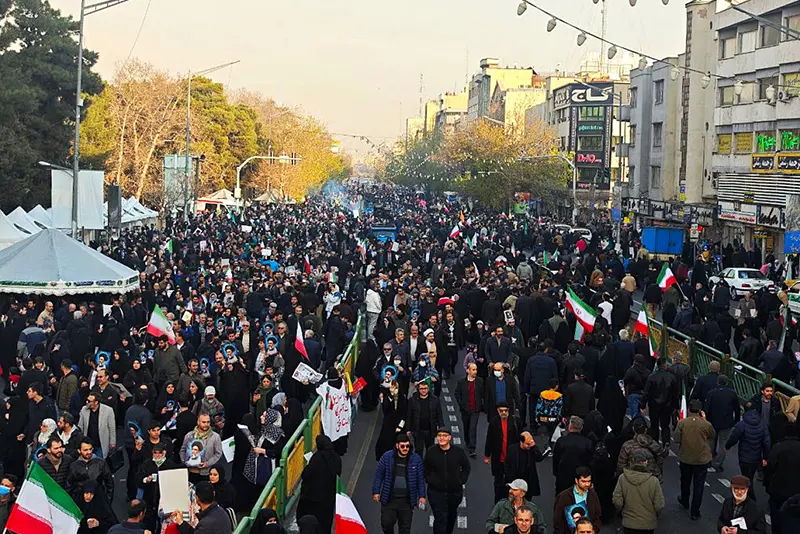
In dramatic fashion, widespread anti-government protests in Iran have escalated into one of the deadliest political crises in the Islamic Republic’s modern history, with Iranian officials acknowledging approximately 2,000 deaths amid continuing unrest and an estimated more than 10,000 arrests as nationwide discontent swells over a collapsing economy and repressive state response.
The mounting death toll, reported by Iranian authorities who blamed “terrorists” for the violence, underscores the extraordinary human cost of protests that began in late December 2025 and have spread across major cities from Tehran to Tabriz.
Protests Sparked by Economic Hardship
What began as expressions of public frustration over runaway inflation, steep food prices and an economic freefall has rapidly evolved into broader demands for political change and an end to theocratic dominance. With the Iranian rial plunging and sanctions compounding economic pressure, citizens across Iran’s 31 provinces have taken to the streets in sustained demonstrations and strikes.
Critics of the regime point to long-standing corruption, economic mismanagement and political suppression as core drivers of the unrest. Despite government claims that the situation is “under control,” opposition voices in and outside Iran assert that internet blackouts and information censorship have masked the true scale of the crisis.
Brutal Crackdown and Mass Arrests
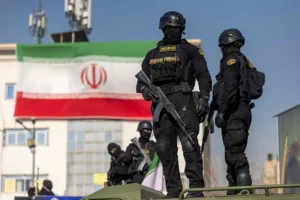
Iran’s security forces have responded with lethal force. According to independent human rights monitoring, more than 10,000 protesters have been detained in sweeping arrests that target activists, journalists and ordinary citizens alike.
Witness accounts and leaked footage paint a grim picture of heavy weaponry used against largely peaceful gatherings — images periodically surfacing as authorities attempt to suppress digital communication. International watchdogs have condemned the crackdown, noting patterns of intimidation and arbitrary detention.
Trump Indicates Iran Wants To Talk
In an unexpected diplomatic twist, President Donald Trump asserted that Tehran has expressed interest in negotiating with the United States, even as Washington signals willingness to take strong measures if the violence continues. Trump’s comments, made aboard Air Force One and confirmed by multiple outlets, suggest that Iranian officials have reached out through intermediaries to explore dialogue options amid the turbulence.
“I think they’re tired of being beat up by the United States,” the president said, adding that a meeting with Iranian representatives could be arranged but emphasizing that any talks would need to address significant concerns, including Iran’s nuclear ambitions and regional policies.
The administration has also warned of punitive measures, including tariffs on nations that trade with Iran and potential military options, in response to Tehran’s ongoing repression of dissent.
International Response and Regional Stakes
Global reactions have been swift: European Union officials called for restraint and sanctioned Iranian agents tied to the crackdown, while several Western capitals demanded accountability for the deaths. Simultaneously, Iran’s leadership has threatened retaliation against foreign intervention, labeling external criticism as interference in sovereign affairs.
Analysts warn that any escalatory moves — whether economic pressure or military action — could further destabilize an already volatile Middle East, with spillover effects on global energy markets and security alignments.
A Nation at a Crossroads
As Iran’s protests continue into their third week, the nation stands at a critical juncture. The once insular Islamic Republic now faces historic internal dissent, international scrutiny and the potential for unprecedented diplomatic engagement with its longtime adversary, the United States.
Whether simmering unrest will translate into meaningful reform or deepen into prolonged conflict remains uncertain — but one fact is clear: Iran’s political landscape has entered a volatile new chapter, and the reverberations are being felt far beyond its borders.
Wayne Roberts is a journalist specializing in world affairs, covering international politics, global security, and major geopolitical developments.