Wayne Roberts — January 12, 2026
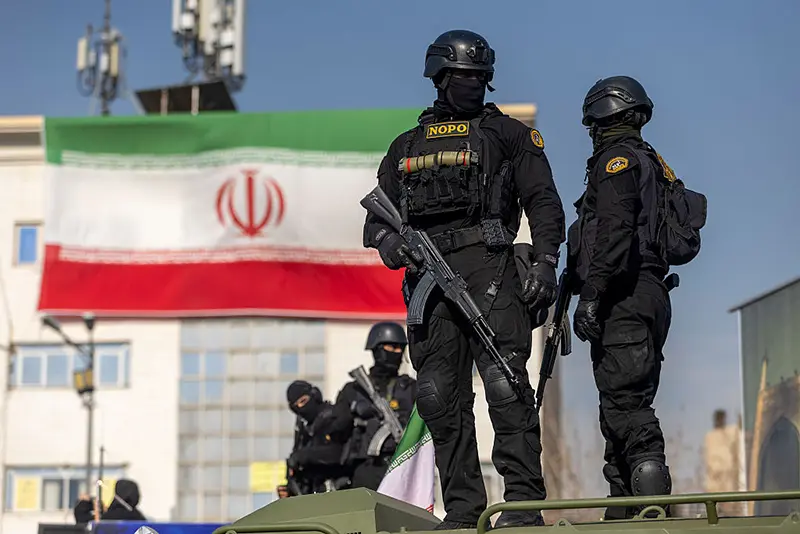
Protests across Iran have surged into an extraordinary nationwide challenge to the Islamic Republic, as violence grows, the government imposes sweeping communications blackouts, and the Trump administration says it is weighing military options in response to the brutal crackdown.
What began in late December as demonstrations over crippling inflation and rapidly rising food prices has mushroomed into widespread anti-regime unrest spanning all 31 provinces — with at least 500 deaths and more than 10,600 arrests, according to rights groups.
Iran’s government has responded with force, deploying security units and shutting down the country’s internet through what cybersecurity analysts are calling a digital “kill switch” — a centralized shutdown designed to choke off communications and hide the severity of the crackdown from the world.
“No internet. No landlines,” exiled Iranian Crown Prince **Reza Pahlavi wrote to President Trump this week, appealing for U.S. support as Iranian authorities sever communications and shoot into crowds of demonstrators.
Violence Mounts, Government Tightens Grip
Eyewitness accounts, videos and human rights monitoring report street clashes between security forces and protesters in cities from Tehran to Mashhad. Countless young Iranians, including students and fathers, have been killed by live fire, with dozens more wounded or detained.
In cities like Fardis, where social media users claim a massacre of protesters by government forces, people describe scenes of horrific violence shortly after the regime cut internet access nationwide — a clear sign of the regime’s intent to suppress independent reporting.
State media has sought to minimize the unrest, broadcasting pro-government rallies and accusing foreign powers — especially the U.S. and Israel — of fomenting “terrorism.”
Washington Weighs “Strong Options”
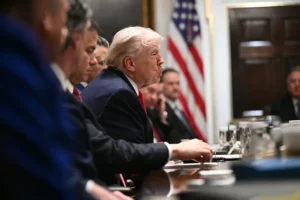
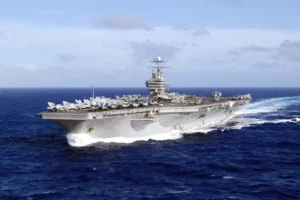
From Washington, President Donald Trump has publicly expressed support for the Iranian people and warned that the U.S. is considering “very strong options” should the regime continue its violent repression. Trump’s national security team is reportedly briefing him on a spectrum of responses — including military action — though officials caution any U.S. intervention would be complex and risky.
Earlier messaging from Trump’s team stressed that if Iranian forces continued to kill peaceful demonstrators, the U.S. “would be hitting them very hard where it hurts,” though “boots on the ground” have not been confirmed.
Israeli Prime Minister Benjamin Netanyahu and U.S. Secretary of State Marco Rubio have also been reported to discuss military intervention amid the protests, underscoring the escalating regional stakes.
The Iranian government has countered these signals by warning that any U.S. interference could trigger full-scale war, with top officials vowing to protect national sovereignty and strike back against foreign forces.
An Uncertain Future for Iran
The protest movement has drawn energy from a wide spectrum of Iranians — from bazaar merchants frustrated by economic collapse to youth demanding political reform and a break with clerical rule. Many have called for global support and looked to Reza Pahlavi, the exiled crown prince, as a symbol of potential democratic transition.
Iran’s internet blackout has isolated millions, driving reliance on satellite and limited connectivity while throttling free flow of information. Analysts fear this digital siege could prolong the regime’s grip if independent reporting remains stifled.
As Tehran teeters between tightening control and mounting public resistance, the United States faces a fraught decision: whether to support Iranian protesters through sanctions, covert assistance, cyber operations, or perhaps direct military pressure — a choice with profound implications for regional stability and global geopolitics.
Wayne Roberts is a journalist specializing in world affairs, covering international politics, global security, and major geopolitical developments.