By Susan S. Moore – January 14, 2026
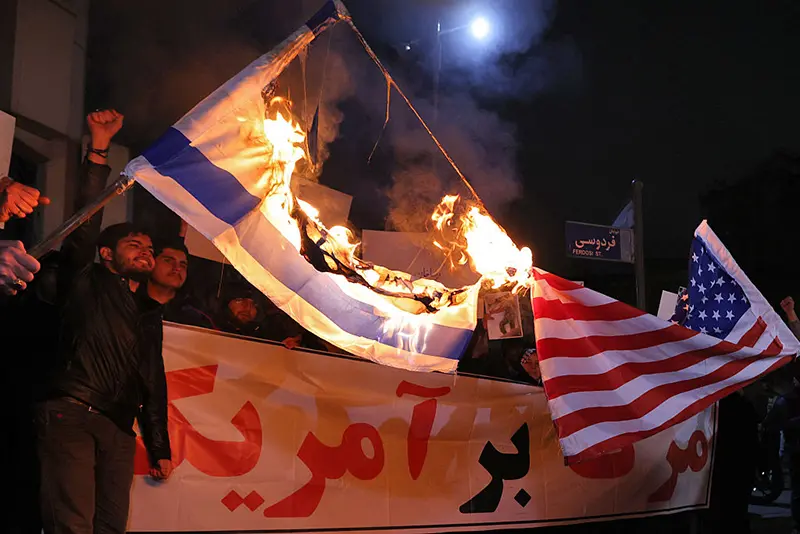
WASHINGTON — The world is watching a brutal crackdown in Iran where the death toll in nationwide anti-government protests has soared, with verified reports topping 2,500 fatalities and other estimates claiming 12,000 to 20,000 killed, marking one of the bloodiest episodes of unrest in modern Iranian history.
According to the Human Rights Activists News Agency, a U.S.-based group monitoring casualties inside Iran’s communication blackout, more than 2,571 people have died so far, including protesters, government supporters, and children, with thousands more detained.
Meanwhile, Iran International and other opposition media have reported far higher figures, citing upwards of 12,000 fatalities, with some activists warning that the toll could reach 20,000 as more information emerges.
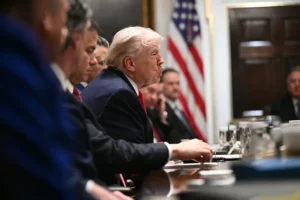
In response, President Donald Trump publicly encouraged Iranian demonstrators to continue their protests, writing on Truth Social: “Iranian Patriots, KEEP PROTESTING — TAKE OVER YOUR INSTITUTIONS!!! … HELP IS ON ITS WAY.”
Trump’s comments, which he also delivered during a speech in Michigan, represent one of the most direct U.S. presidential interventions into Iranian internal affairs in decades. He canceled planned diplomatic meetings with Iranian officials until the killings stop and warned Tehran of unspecified consequences if executions of arrested protesters proceed.
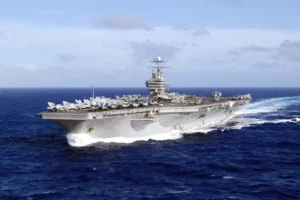
Reuters reports that U.S. officials have condemned fast-track trials and executions of demonstrators, emphasizing that such moves would trigger strong international responses, though no military action has been ordered.
The unrest, which began in late December over worsening economic conditions and long-standing political grievances, has escalated into widespread calls for regime change. Images and videos circulating on social media show defiance against the clerical leadership, with graffiti in Tehran demanding the ouster of Supreme Leader Ayatollah Ali Khamenei.
Tehran has blamed foreign enemies for stoking unrest but insists it is regaining control, even as the international community denounces the crackdown and prepares additional sanctions.
The situation remains fluid, with limited independent verification due to internet blackouts and media restrictions, but the staggering reported casualties and calls for democratic reform highlight a pivotal moment for Iran with potential global implications.
Susan S. Moore is a world news reporter focused on international diplomacy, conflict, and the political forces shaping global relations.