By Greg Shipley — January 16, 2026
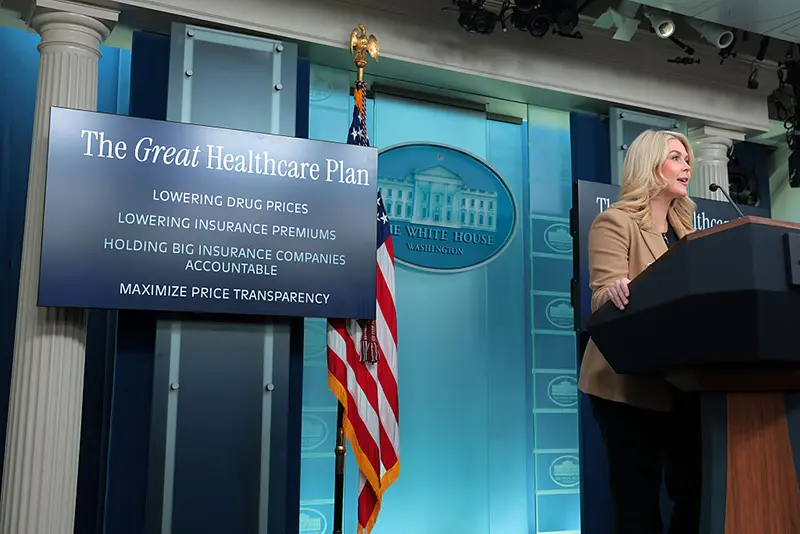
WASHINGTON, D.C. — President Donald J. Trump on Thursday unveiled a sweeping healthcare reform framework called the Great Healthcare Plan, a proposal aimed at lowering prescription drug prices and shifting how federal subsidies are delivered to Americans. The announcement comes as enhanced Affordable Care Act (ACA) premium tax credits expired at the end of 2025, a change that has already contributed to rising insurance costs for millions of Americans.
Plan Overview: What Was Announced
The Great Healthcare Plan is a multi-part initiative that projects big changes to prescription drug pricing and federal insurance subsidies:
- Drug Pricing Reform: The framework reiterates the administration’s push to codify Most-Favored-Nation (MFN) drug pricing, a policy designed to align U.S. prescription drug prices with the lowest prices paid in comparable developed nations. This follows a 2025 executive order directing agencies to implement MFN pricing for American patients.
- Direct Subsidy Payments: Instead of sending federal premium subsidies directly to health insurers, the proposal would redirect those funds into direct payments to eligible consumers, enabling them to choose and purchase their own coverage.
- Price Transparency and Market Reforms: The plan also calls for increased healthcare price transparency, requiring insurers and providers to publicly post costs and coverage details in plain language to allow consumers to compare and choose more affordable options.
According to the White House, funding a cost-sharing reduction program under the plan could save taxpayers approximately $36 billion and potentially lower premiums for the most common ACA marketplace plans by more than 10%.
Why It Matters: Costs and Coverage in Flux
The announcement arrives at a fraught moment in U.S. healthcare:
- Rising Premiums: With the expiry of ACA enhanced premium tax credits, average marketplace premiums for 2026 are expected to spike. Estimates show premiums could increase significantly compared with 2025 levels without the enhanced subsidies.
- Coverage Challenges: Enhanced subsidies enacted during the COVID‑19 pandemic helped nearly 20 million Americans afford coverage in ACA marketplaces. Their expiration has raised concerns about affordability and potential coverage losses.
- Legislative Hurdles: The Great Healthcare Plan framework would require congressional approval for most of its proposals, including codifying MFN drug pricing and restructuring subsidy payments. With a divided Congress, passage of comprehensive reform remains uncertain.
Drug Prices: The Most‑Favored‑Nation Approach
Central to the plan is the MFN drug pricing strategy, which seeks to tie U.S. drug prices to the lowest prices paid in other developed countries. Supporters argue this could lead to significant savings on prescription medications. The White House claims the approach builds on voluntary agreements and past executive actions designed to lower drug costs for American patients.
However, implementing MFN pricing nationwide would likely require new legislation. Previous MFN efforts, including an attempt to apply the policy under Medicare in 2020, were derailed in court, underscoring the legal and practical complexities of widespread adoption.
Subsidies and the ACA
One of the most consequential elements of Thursday’s announcement is the shift from insurer‑directed subsidies to direct payments to consumers:
- Expired ACA Enhancements: The enhanced ACA premium subsidies, which expanded eligibility and capped out-of-pocket costs for many enrollees, expired at the end of 2025. Their end is projected to leave millions facing substantially higher premiums.
- Policy Shift: The Trump plan would stop sending extra subsidy funds to insurers and instead deliver those dollars directly to eligible Americans. The administration asserts this will increase personal choice and reduce administrative waste, though details on payment mechanisms and eligibility criteria were not specified.
What Comes Next
The Great Healthcare Plan, as outlined, sets the stage for high-stakes negotiations on Capitol Hill. Key elements — including MFN drug pricing and restructuring of federal subsidies — hinge on congressional action. With Republicans holding slim majorities in Congress, achieving consensus on healthcare reform will require bridging divisions within the GOP as well as engaging with Democratic lawmakers.
Lawmakers face pressure to address both rising drug costs and soaring insurance premiums, particularly against a backdrop of broader economic concerns, including inflation and healthcare affordability.
Greg Shipley covers U.S. news and politics, with a focus on constitutional issues, national security, and government accountability.