By Maria Jones — January 30, 2026

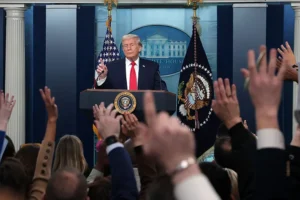
WASHINGTON — President Donald Trump announced Friday that he is nominating Kevin Warsh, 55, a veteran former Federal Reserve governor, to serve as the next chairman of the Federal Reserve when Jerome Powell’s term expires in May 2026. Trump’s selection of Warsh comes amid heightened political scrutiny around the central bank and a Justice Department investigation involving Powell.
In a statement on his Truth Social platform, Trump said he has “known Kevin for a long period of time” and praised Warsh as potentially “one of the GREAT Fed Chairmen.” Warsh previously served on the Federal Reserve Board of Governors from 2006 to 2011, giving him direct experience with the institution’s monetary policy and crisis response frameworks.
Warsh has been affiliated with academic and financial institutions since leaving the Fed, including roles at the Hoover Institution and Stanford Graduate School of Business, and work with private investment firms.
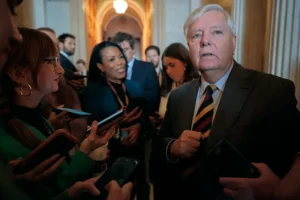
Despite Trump’s endorsement, Warsh’s nomination faces serious headwinds in the Senate, especially in the Banking, Housing, and Urban Affairs Committee. Republican Senator Thom Tillis of North Carolina stated he will not support advancing any Federal Reserve nominee, including Warsh, until the Justice Department’s criminal investigation into Chairman Jerome Powell is concluded. Tillis argued that protecting the Fed’s independence from political pressure and legal intimidation is “non-negotiable.”
The DOJ probe centers on allegations related to Powell’s congressional testimony and the cost and scope of a Federal Reserve headquarters renovation project. Powell has not been charged, and the investigation has drawn criticism from both supporters and detractors of the central bank’s independence.
Democratic lawmakers have echoed concerns that Warsh’s nomination could further politicize the Fed and undermine its traditional independence from the executive branch.
Warsh’s monetary policy views reflect a blend of traditional Fed hawkishness on inflation and more recent openness to interest rate cuts, aligning with Trump’s economic priorities. During his 2025 commentary, Warsh supported lower interest rates and criticized expansive central bank balance sheets, positions that could signal a shift in the Fed’s policy orientation under his leadership.
Financial markets responded swiftly to the nomination news. Treasury yields moved higher while gold and silver prices dropped, suggesting traders are reassessing expectations for future monetary policy under a Warsh-led Fed.
If confirmed, Warsh would assume leadership of the central bank at a time of ongoing debate over inflation, employment, and the appropriate pace of interest rate adjustments. The Fed’s dual mandate to balance price stability and full employment will remain central to his tenure.
Warsh’s nomination must be approved by the Senate, a process that could be prolonged if committee opposition persists. The Banking Committee’s vote is seen as a crucial early test; without Tillis’s support, the nomination could falter before reaching the full Senate.
Powell, whose term ends in May, will remain in place through the transition if necessary. However, the political and legal backdrop surrounding this nomination has intensified the broader debate over the Federal Reserve’s independence and the proper role of presidential influence in monetary policymaking.
Maria Jones is a writer for U.S. politics, elections, public policy, and the cultural debates shaping American governance.