By Maria Jones, January 16, 2026
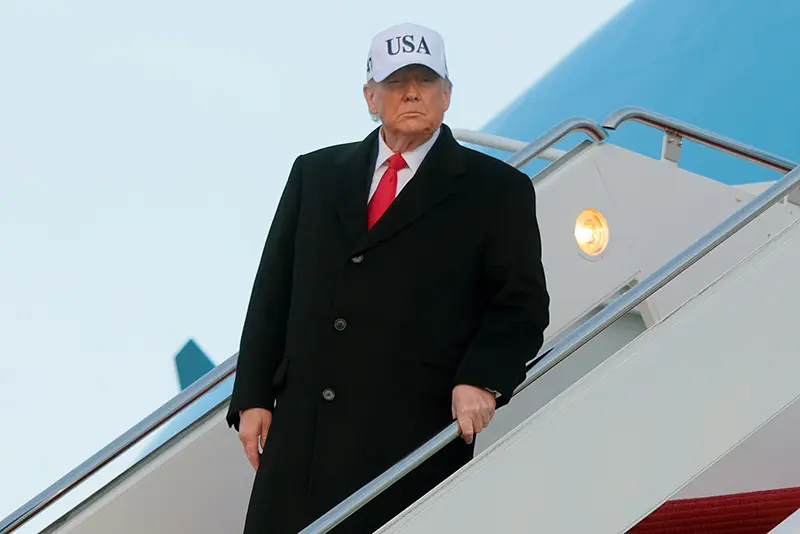
President Donald Trump sparked a firestorm this week by suggesting that the United States “shouldn’t even have an election” for the 2026 midterms — remarks that could shake political confidence ahead of a pivotal contest and test the limits of public trust in democratic norms. The comment came during a closed-door interview with Reuters — a sit-down that quickly drew nationwide headlines.
In the interview, Trump lamented the historical trend in which the party of the sitting president tends to lose ground in midterm elections, quipping that his administration had accomplished so much that “when you think of it, we shouldn’t even have an election.”
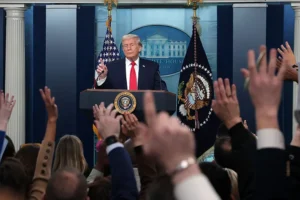
Shortly after the Reuters report broke, White House press secretary Karoline Leavitt insisted the president’s comments were made “facetiously” and that he was “simply joking” about skipping what’s constitutionally mandated. Leavitt argued during a Thursday press briefing that Trump was highlighting his administration’s record of achievements and rallying Republican morale rather than proposing any serious policy change.
Leavitt even clashed with reporters who pressed her on the implication of joking about canceling elections, dismissing a question about whether Trump found the idea humorous with the sharp retort, “Were you in the room? No, you weren’t.”
Despite the administration’s efforts to downplay the remarks, critics — particularly on the left — seized on the comments as deeply alarming. Democratic leaders argue that any suggestion, joking or not, about foregoing elections undermines the bedrock of American democracy and could further depress voter confidence ahead of the November midterms. Senate Minority Leader Chuck Schumer has warned his party is bracing for potential disruptions and disputes, saying Democrats are preparing for a hostile political environment.
Legal experts underscore that there is no constitutional mechanism for a president to cancel or postpone federal elections — a reality undergirded by law and reaffirmed by scholars across the political spectrum. Midterms remain scheduled for Nov. 3, 2026, and would proceed regardless of presidential preference.
Still, Trump’s comments — and the White House’s framing of them as a quip — arrive at a delicate political moment for Republicans, who face historical headwinds and are fighting to maintain control of both the House and the Senate. Whether supporters view the remarks as humorous or alarming, they underscore the high political stakes and the intense messaging battles shaping the run-up to 2026.
Maria Jones is a writer for U.S. politics, elections, public policy, and the cultural debates shaping American governance.