By Maria Jones | January 13, 2026
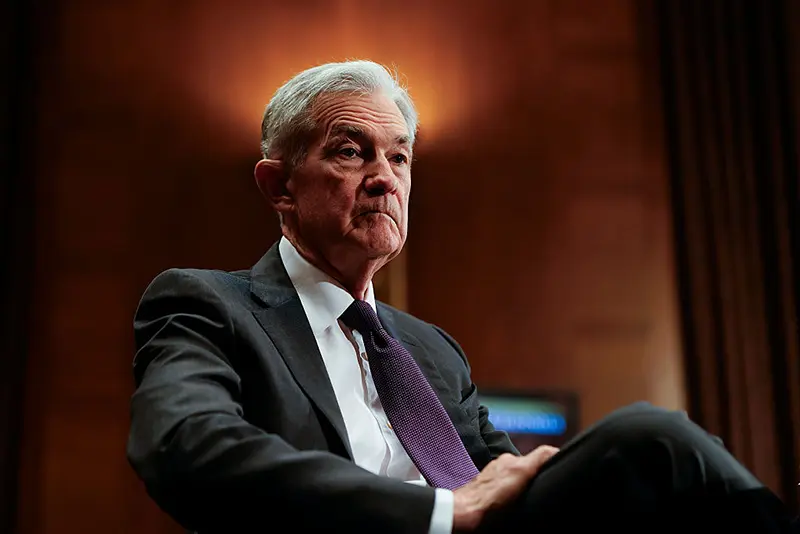
In a stunning escalation of political tensions in Washington, the U.S. Department of Justice has launched a criminal investigation into Federal Reserve Chair Jerome H. Powell, centered on statements he made to Congress about the multi-billion-dollar renovation of the Federal Reserve’s headquarters. Powell has characterized the probe as politically motivated — a response to President Donald Trump’s repeated frustration with the Fed’s interest-rate decisions — while critics warn the legal action threatens the independence of the nation’s central bank.
Powell confirmed Sunday that the DOJ served the Federal Reserve with grand jury subpoenas and threatened a criminal indictment connected to his June 2025 testimony before the Senate Banking Committee. That testimony involved a detailed defense of the renovation project of the historic Marriner S. Eccles Building and related facilities — a renovation whose cost has ballooned to roughly $2.5 billion.
In his video statement, Powell said the investigation should be viewed in the broader context of ongoing political pressure from the White House over monetary policy, particularly resistance to calls from President Trump for more aggressive interest-rate cuts. “This unprecedented action should be seen in the broader context of the administration’s threats and ongoing pressure,” Powell said, insisting that the threat of criminal charges is a consequence of the Federal Reserve setting interest rates based on economic conditions — not presidential preferences.
Renovation vs. Political Pressure
The renovation at issue is not merely cosmetic. Federal Reserve officials have stated the project addresses piecemeal modernization of decades-old infrastructure, with unexpected complications such as asbestos removal and structural repairs driving costs above initial estimates. However, critics — including some in the Trump administration — have labeled it “ostentatious” and pointed to elements like rooftop terraces and premium materials in early planning documents to argue the project was mismanaged.
Powell, pressed by senators last year, denied that there were VIP amenities, new special elevators, or water features in the current renovation plans, saying such characterizations were “flatly misleading.”
Fed Independence Under Siege?
The move has triggered alarm among former Fed chairs, Treasury secretaries, and market leaders, who argue that using criminal justice tools against a sitting central bank chief for testimony before Congress is unprecedented and could jeopardize the Fed’s ability to operate free from political interference.
In public and private statements, past Fed leaders have described the investigation as a threat to U.S. financial stability and institutional norms, particularly coming amid efforts by the White House to influence interest-rate policy and criticisms that the Fed is not delivering desired economic outcomes.
Wall Street executives, including top bank CEOs, have similarly underscored the importance of central bank independence, warning that overt political pressure on monetary policy could spur market volatility and undermine confidence in U.S. economic governance.
Political Reaction and Next Steps
While the Trump administration has denied direct involvement in the DOJ’s prosecutorial decision, White House economic advisers have publicly supported scrutiny of the renovation’s cost and scope.
Despite the White House’s denials, the investigation has already drawn bipartisan concern in Congress, with some lawmakers threatening to block Federal Reserve appointments until clarity is provided on the DOJ’s actions and the broader implications for central bank autonomy.
As Powell’s term approaches its May 2026 expiration, the episode raises fraught questions about the interplay between politics and monetary policy, and whether a distance once considered sacrosanct between prosecutors and monetary authorities in the United States is now at risk.
Maria Jones is a writer for U.S. politics, elections, public policy, and the cultural debates shaping American governance.