By Greg Shipley | January 13, 2026
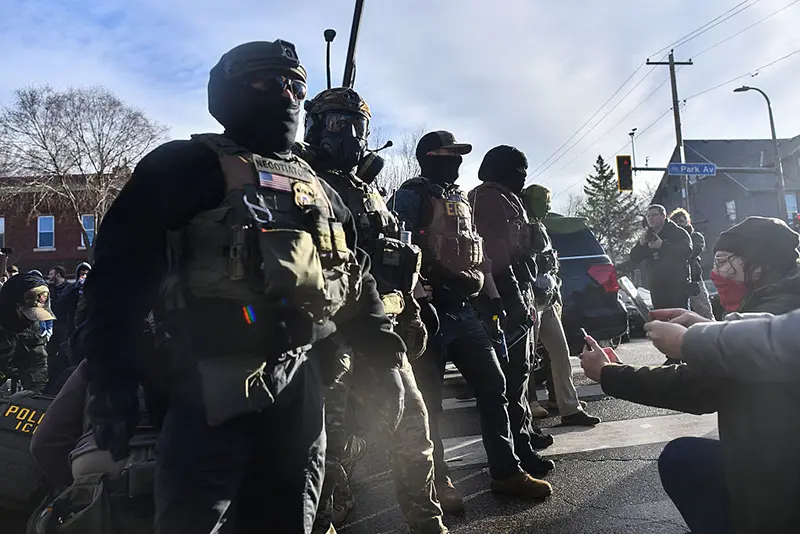
In a dramatic escalation of state-federal tensions over immigration enforcement, Minnesota and Illinois have each filed federal lawsuits against the U.S. government, accusing the Department of Homeland Security (DHS), Immigration and Customs Enforcement (ICE), and related agencies of an unconstitutional overreach that Minnesota Attorney General Keith Ellison characterized as a “federal invasion.”
The legal actions come on the heels of nationwide protests and controversy surrounding aggressive federal immigration enforcement operations in Minneapolis–Saint Paul and Chicago, including the highly publicized fatal shooting of Minnesota resident Renée Nicole Good by an ICE agent on Jan. 7 — an incident that has amplified scrutiny of the federal tactics and galvanized local officials.
States Accuse Feds of Unconstitutional Enforcement
In Minnesota’s complaint, filed Jan. 12 in U.S. District Court for the District of Minnesota, Ellison and the cities of Minneapolis and Saint Paul seek to block “Operation Metro Surge” — a large-scale federal immigration operation that has deployed thousands of armed DHS agents into the Twin Cities since late 2025. The lawsuit alleges the surge amounts to a violation of the First and Tenth Amendments, as well as the Administrative Procedure Act, calling the widespread presence and conduct of federal officers “unlawful and unconstitutional.”
At a press conference announcing the suit, Ellison asserted that Minnesota has been targeted for its diversity and its progressive immigration policies, framing the surge as political retribution rather than legitimate law enforcement. “This federal invasion of the Twin Cities has to stop,” he said, citing widespread fear within communities and disruptions that have forced school lockdowns and business closures.
Illinois’ lawsuit, filed by Attorney General Kwame Raoul and bolstered by the city of Chicago, echoes similar complaints about what officials describe as “unlawful and dangerous tactics” in that state’s own immigration enforcement operations — referred to in filings as “Operation Midway Blitz.” The complaint claims federal agents there engaged in warrantless arrests, indiscriminate use of crowd control measures such as tear gas, and maneuvers that have “undermined constitutional rights and threatened public safety.”
Protests and Public Safety Concerns
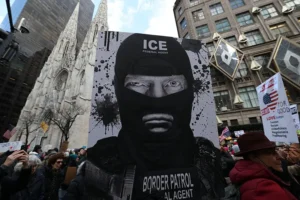
The filings emerge against a backdrop of intense public demonstrations in Minneapolis and other cities, where residents have decried what they see as heavy-handed federal policing. Protesters have clashed with DHS and ICE agents, at times drawing tear gas and crowd control measures.
The fatal shooting of Good, a 37-year-old mother of three, by an ICE agent has become a focal point of outrage, prompting calls from local leaders for more transparency and accountability. Federal officials maintain the operation is lawful, aimed at enforcing immigration laws and curbing criminal activity, and have defended the actions taken by their agents.
Federal Defense and Legal Stakes
The Department of Homeland Security has characterized the surge as a necessary response to sanctuary policies and a failure by local authorities to cooperate with federal immigration enforcement efforts. DHS contends it operates within its statutory authority to target criminal elements among undocumented immigrants.
Legal experts say the cases could present significant constitutional questions about the scope of federal authority, the limits of state autonomy under the Tenth Amendment, and the boundaries of federal immigration operations in domestic jurisdictions. Courts will now weigh requests from the states for injunctions that could limit or pause federal actions while the lawsuits proceed.
This clash marks the latest chapter in an ongoing friction between Democratic-led states and the federal government’s immigration priorities — a battle that is likely to reverberate through the midterm election cycle and beyond.
Greg Shipley covers U.S. news and politics, with a focus on constitutional issues, national security, and government accountability.