By Lana Kerfoot — January 16, 2026
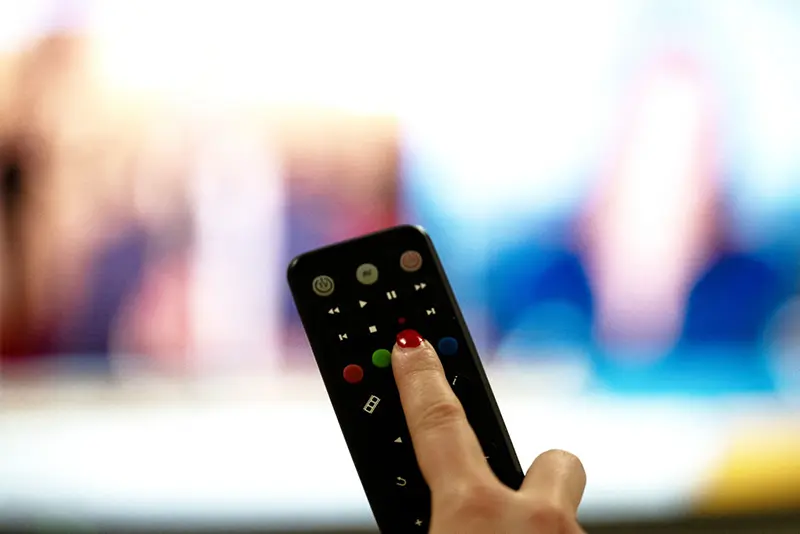
New York — A sweeping transformation in American media habits accelerated throughout 2025, with traditional cable television now embraced by fewer than four in ten adults and average daily media consumption clocking in between six and eight hours — most of it outside of classic TV viewing. These trends mark a fundamental realignment in how Americans access information, entertainment, and news in the digital age.
Cable TV Adoption Falls as Streaming Surges
Traditional cable and satellite television subscriptions have slipped below the 40% mark among U.S. adults, a significant milestone in the long-term decline of linear TV. While broadcast and cable combined once dominated household screens, streaming platforms have overtaken both individually, with digital-first content emerging as the primary consumption choice for many Americans. Nielsen’s The Gauge shows streaming alone commanded approximately 44.8% of television usage in May 2025, outpacing the combined 44.2% share of broadcast and cable for the first time.
Industry tracking data indicates streaming’s share continued to grow, reaching nearly 47.3% of total TV viewing by mid‑2025, while cable’s footprint continued its decline. Surveys reflect this shift: roughly 83% of U.S. adults reported using streaming services, compared with just 36% maintaining cable or satellite subscriptions.
American Daily Media Use: Dominated by Digital Formats
In 2025, adults nationwide spent an average of six to eight hours each day consuming media, according to recent consumer behavior reports — and the bulk of that time was devoted to digital platforms rather than traditional television.
This extended media engagement spans multiple formats:
- Short‑form video and social platforms — Mobile-first content on platforms like TikTok, Instagram Reels, and YouTube drives heavy daily use among younger and mid-age audiences, reflecting wider trends in social interaction and entertainment discovery. Pew Research data shows significant daily usage of major social platforms by U.S. adults, with YouTube and Facebook leading and a notable share on TikTok.
- Streaming services — Viewers are spending increasing time on subscription and ad-supported streaming options, with connected TV households consuming longer sessions of on-demand or platform-aggregated content. Comscore’s 2025 streaming report indicates nearly five hours of daily streaming per household.
- Audio and podcasts — Audio content remains a vital part of media diets. More than half of U.S. adults reported listening to a podcast in the past year, with younger adults especially likely to engage with these formats, according to Pew Research Center’s podcast fact sheet.
Collectively, these habits indicate that traditional scheduled TV programs — outside of appointment viewing like live sports — are no longer a central pillar of daily media engagement for most Americans.
Live Events Still Draw Cable Viewership, But Trends Are Eroding
Despite broader declines, certain live programming — particularly sports and major news events — continues to attract audiences on traditional television platforms. Surveys show that a meaningful segment of Americans still tune into live TV for these interests, even as younger cohorts abandon routine linear viewing.
Nevertheless, these behaviors are increasingly mirrored on digital platforms capable of delivering live content online, further diminishing the unique advantage once held by cable networks.
Economic and Cultural Drivers of Change
Several structural and economic factors underlie this evolution:
- Subscription economics — Comparisons of monthly costs for multiple streaming services versus traditional cable bundles have pushed many households toward more flexible and lower-commitment digital options, according to Deloitte’s 2025 Digital Media Trends survey.
- Advertising shifts — Digital ad spending continues to outpace traditional TV ad revenues, as advertisers follow viewers to platforms that enable precise targeting, notes MediaCom Policy Center.
- Platform convergence — Social media and streaming services are not only content destinations but discovery engines that shape what audiences watch, listen to, and share, reinforcing engagement in digital environments.
What Comes Next
Looking ahead, analysts expect the fragmentation of media consumption to deepen. Younger demographics, increasingly dominant in cultural influence and future spending power, show a clear preference for digital and on-demand formats. Traditional TV providers are adapting with streaming offerings and diversified digital services, but the structural trend favoring digital platforms appears entrenched.
To remain relevant, legacy media companies must innovate around cross-platform integration, invest in compelling streamed content, and expand monetization models beyond linear advertising. Meanwhile, policymakers and industry leaders will watch closely how these shifts impact local news access, cultural dialogue, and the economics of content creation.
Lana Kerfoot is a technology news reporter focused on emerging technologies, major tech companies, and how innovation is transforming business and society.