By Lana Kerfoot – Jan. 13, 2026
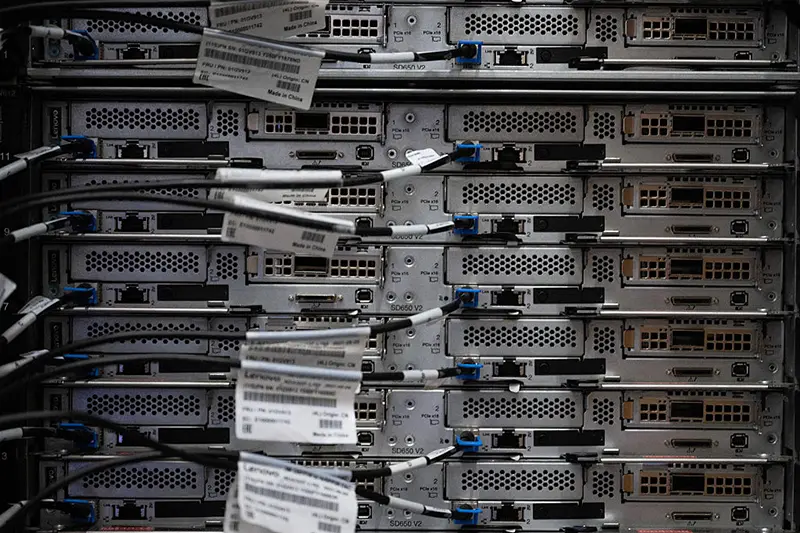
The explosive growth of artificial intelligence and hyperscale cloud data centers has thrust America’s largest regional power grid, PJM Interconnection, into a full‑blown energy crunch — and the political blowback is mounting.
PJM, which supplies electricity to 67 million people across 13 states and the District of Columbia, faces a perfect storm: demand from data centers is rising faster than utilities can build new generation and transmission infrastructure, leaving reserve margins tight and capacity prices surging to record levels.
In the latest capacity auction, PJM’s wholesale price cap hit $333.44 per megawatt‑day, the highest on record, as generation resources lagged behind forecasted load.
While this price signal should spur new power plant investment, delays tied to permitting, labor and supply bottlenecks have kept generation additions subdued. Net retirements of older coal and gas plants have only compounded the challenge.
Grid Strain Meets Political Pushback
Governors across the region have openly criticized the grid operator’s management of the crisis, with some even threatening to withdraw from PJM if conditions don’t improve.
In New York, Democratic Gov. Kathy Hochul is attempting to put some teeth behind growing concerns that tech’s energy appetite is being subsidized by everyday consumers. Hochul’s Energize NY Development initiative would require large, energy‑intensive facilities like AI data centers to pay higher rates or supply their own generation, rather than socializing those costs across the rest of the grid.
“We must grow responsibly, ensuring affordability comes first, and those profiting from data growth pay their fair share,” Hochul said, framing it as protection for families and small businesses already squeezed by rising utility bills.
The proposal — expected to be a central plank of her 2026 State of the State address — would empower the New York Public Service Commission to set pricing structures that ensure these facilities internalize the electrical costs they impose, or else generate their own power.
Grid Under Fire From All Sides
Consumer advocates and state legislators around the Mid‑Atlantic have echoed Hochul’s sentiment, arguing that data centers are increasingly shouldering out residential and small business consumers in priority when it comes to grid access and future capacity planning.
At the federal level, the Federal Energy Regulatory Commission (FERC) has signaled that it may update tariff rules to better manage large load hookups — including data centers that want to co‑locate generation — acknowledging that peak loads could grow by nearly 30 gigawatts over the next five years.
Meanwhile, PJM is exploring reforms to require data center developers to bring some of their own firm power or face curtailment during grid stress — a contentious idea that has drawn pushback from tech companies.
Price Hikes for Customers Loom
Power industry analysts warn that customers in PJM territory could see utility bills climb markedly as capacity costs are passed through to ratepayers. Some estimates suggest summer shortages or rolling outages could occur if the supply–demand imbalance worsens during peak demand periods.
Critics of heavy‑handed regulation caution that energy policy shouldn’t discourage innovation or expansion of high‑growth tech sectors. But for now, the political winds favor holding data centers accountable for the grid strain they’ve helped create.
Whether Hochul’s plan becomes a model for other states — or merely fuels partisan battles over energy and technology policy — remains to be seen. What’s clear is that the era when free grid power came with free market access for everyone may be nearing its end.
Lana Kerfoot is a technology news reporter focused on emerging technologies, major tech companies, and how innovation is transforming business and society.