By Richard Morgan — January 26, 2026
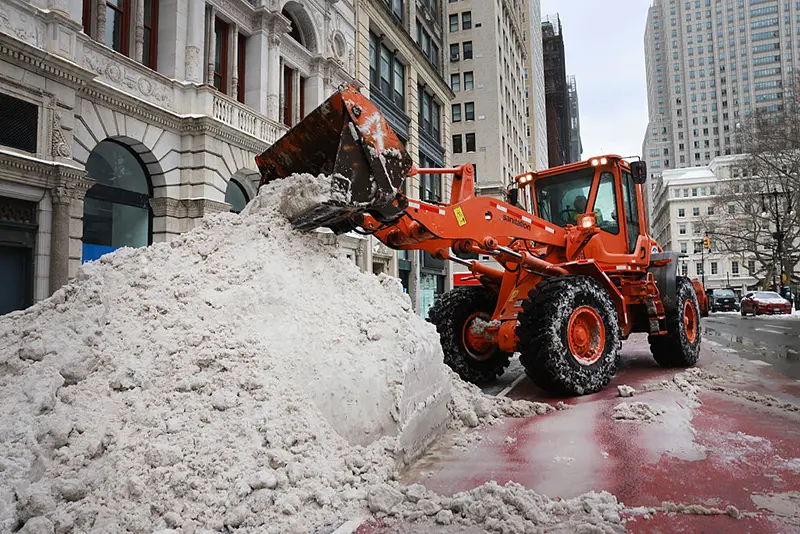
A powerful winter storm that has engulfed much of the United States over the past several days has now been linked to at least 18 confirmed deaths nationwide, as hazardous conditions from Texas to New England continue to disrupt travel, strain infrastructure and imperil communities still coping with widespread power outages.
Storm Hits Hard Nationwide
Officials and emergency responders report fatalities attributed to snow, ice, and frigid temperatures across multiple states, from the South into the Northeast. Victims include individuals involved in storm-related accidents and cases of hypothermia linked to below-freezing conditions.
Power interruptions have been pervasive. Hundreds of thousands of homes and businesses in southern and central states lost electricity as freezing rain and ice accumulation snapped tree limbs and downed power lines, leaving residents without heat or light in dangerously cold weather. At one point, outage tracking data showed more than 800,000 customers without power, with the number fluctuating as restoration efforts proceed.
Transport Chaos: Flights and Roads
Travel networks have been crippled by the storm. Thousands of flights were canceled over the weekend and into Monday, with both Sunday and Monday seeing significant disruptions at major hubs across the nation, including Philadelphia, Washington D.C. area airports, and New York metro airports.
Dangerous road conditions remain widespread, with heavy snow and ice making travel treacherous from the Rocky Mountains through the Appalachian region and into New England — where weather officials continue to warn motorists about persistent black ice and slick surfaces.
Economic & Infrastructure Impacts
The storm’s effects extend into economic indicators, although a complete tally of economic disruption is still emerging. Preliminary private estimates have suggested billions in commercial impact due to grounded flights, delayed supply chains, and prolonged power outages — a figure that economists caution is provisional and subject to revision as comprehensive data is compiled.
Utility companies and emergency planners in heavily affected areas warn that power restoration could take days to weeks in some rural or heavily damaged zones as crews work through hazardous conditions.
Consumer confidence and spending patterns often dip when severe weather hits, as households shift to emergency preparedness and recovery — a pattern seen in past winter disruptions and reflected in early economic sentiment indicators. Historical analysis shows that major winter weather events can temporarily depress local economic activity, though nationwide measures such as employment levels and inflation may only feel modest short-term effects absent broader structural disruptions. (Related historical economic context)
This winter storm underscores the growing challenge of infrastructure resilience in the face of extreme weather. Regions less accustomed to heavy snow and ice — particularly parts of the South — have been forced to grapple with outages and travel hazards that strain emergency services and utility networks.
For millions of Americans, the storm has been more than an inconvenience — it has disrupted daily life, imperiled safety, and exposed vulnerabilities in power and transportation systems not engineered for prolonged cold and ice. Continued coordination among federal, state, and local agencies remains critical as recovery and cleanup efforts unfold over the coming week.
Forecasters expect the tail end of the system to move offshore later this week, though temperatures will remain low and residual ice risks persist, especially during overnight hours. Officials urge individuals in affected regions to stay alert to local weather advisories and to exercise caution on untreated roads and bridges.
Congressional leaders have signaled interest in reviewing infrastructure preparedness and funding as part of broader energy and transportation policy discussions, particularly as winter weather patterns continue to challenge aging grids and regional emergency response systems.
Richard Morgan is a news journalist covering general news and human interest stories, with a focus on clear, accurate reporting on issues that affect everyday life. His work spans breaking news, public affairs, and stories that highlight the people behind the headlines.