By Sarah A. Mansfield — January 16, 2026
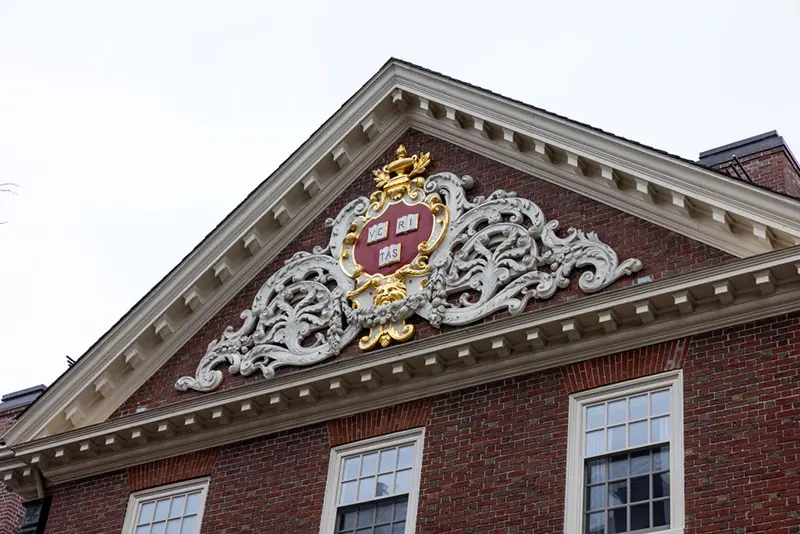
CAMBRIDGE, Mass. – Harvard University President Alan M. Garber this month publicly acknowledged that faculty activism and ideological advocacy have contributed to a chilling effect on free speech and open debate at the nation’s most prestigious university — a rare admission that underscores broader concerns about academic freedom and viewpoint diversity at elite U.S. colleges.
What Happened
In a widely circulated podcast interview recorded Dec. 16, 2025, Garber said Harvard “went wrong” by allowing faculty members to bring their own political views into the classroom in ways that made some students reluctant to express dissenting opinions.
“That’s what had shifted, and that’s where I think we went wrong,” Garber said, referring to longstanding internal policies that permitted professors to support personal causes on their own time but did not insist on strict objectivity in classroom teaching.
Why It Matters
Harvard’s acknowledgment comes amid intense national scrutiny of free speech on college campuses, particularly at elite institutions accused of prioritizing activism over balanced discourse. Critics argue such environments can stifle intellectual diversity and deter students from engaging honestly with opposing viewpoints — a concern with implications for academic credibility and future leadership development.
For decades, universities served as bastions of open inquiry. Recent surveys and campus reports suggest rising discomfort among both students and faculty when discussing controversial topics — from political ideology to foreign policy — without fear of social or professional repercussions. Harvard’s own Identity/Crisis analysis highlights ongoing efforts to address these tensions and reaffirm free inquiry as central to the university’s mission.
Federal and Institutional Pressure
Garber’s remarks come against the backdrop of a protracted dispute with the federal government. In April 2025, the U.S. Department of Education froze over $2.2 billion in federal grants and contracts to Harvard after the university declined to adopt sweeping policy changes requested by the Trump administration — including audits of faculty ideologies and curricular governance reforms — as a condition of funding.
The administration said its demands aimed to enforce civil rights protections and curb campus activism it claimed had enabled intolerance and antisemitism. Harvard countered that many of the demands were unrelated to civil rights enforcement and represented an overreach into academic governance and free speech. A federal court ruling ultimately upheld Harvard’s constitutional and academic freedom arguments, though the legal battle continues.
Campus Climate and Academic Freedom
Inside Harvard, responses to Garber’s comments are mixed. Some faculty and alumni have advocated for stronger protections for free inquiry, warning that external pressures and internal activism alike jeopardize open debate and intellectual independence. Harvard’s campus reports note that a significant number of students — particularly Jewish students — have felt unsafe or marginalized while navigating emotionally charged debates.
Administrators have responded with planned reforms, including viewpoint diversity initiatives, adjustments to disciplinary systems, and expanded cultural competency training for faculty and staff.
Economic and Academic Stakes
The Harvard controversy also carries broader economic and institutional implications. Federal research funds support critical scientific and medical projects that contribute to national innovation and economic competitiveness. Interruptions in billions in funding — and the risk of further cuts — have prompted internal efforts to safeguard research continuity and explore alternative revenue sources. As reported by the Harvard Gazette, these federal grants are vital for sustaining ongoing projects.
National economic indicators such as inflation and employment continue to shape higher education policy debates, influencing both federal funding priorities and institutional autonomy. Stable employment and moderate inflation help maintain federal support for research and academic programs, highlighting the stakes of political disputes on campus.
What Comes Next
Harvard’s admission marks a pivotal moment in the national debate over free speech, academic freedom, and the role of elite universities in a polarized society. Whether other institutions follow suit with similar acknowledgments — and how policymakers respond — could shape campus culture and higher education governance for years to come.
For now, Harvard leadership appears committed to a measured path: acknowledging internal challenges, defending institutional independence, and pursuing reforms aimed at fostering rigorous, inclusive debate on one of the world’s most influential campuses.
Sarah A. Mansfield is a journalist covering the latest breaking news, delivering timely, accurate reporting on fast-moving stories as they unfold.