By Josh Hightower | January 13, 2026
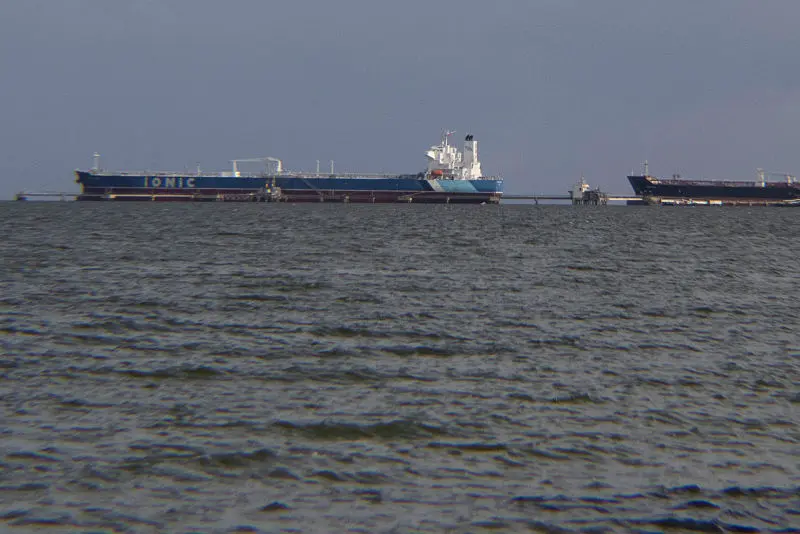
In a dramatic escalation of pressure on the now‑ousted Nicolás Maduro regime, two Chinese‑flagged oil supertankers bound for Venezuela to load crude oil have abruptly reversed course and returned toward Asia, according to maritime tracking data and international shipping sources.
The vessels, identified as the Xingye and Thousand Sunny, had been en route to Venezuela to pick up crude oil that Caracas traditionally uses to pay down billions in debt owed to Beijing. But amid tightening U.S. enforcement against oil flows linked to the Venezuelan regime — and after the arrest of Maduro by U.S. forces — the direct oil lifeline between Venezuela and its largest customer has stalled.
U.S. Pressure Shakes Global Oil Flows
Shipping data from LSEG shows that the tankers, which had been anchored in the Atlantic for weeks awaiting instructions, abruptly made sharp U‑turns away from Venezuela, signaling that they are unlikely to complete their mission in the near term.
The move underscores the reach of U.S. sanctions and maritime pressure, which are part of a broader strategy by the Trump administration to choke off Maduro’s ability to finance his regime through Caracas’ only viable export: crude oil. U.S. forces have seized multiple sanctioned tankers in recent weeks and are enforcing what officials have described as a naval blockade against vessels tied to the Maduro government.
President Trump has been clear: Washington intends to both control Venezuelan oil production and prevent sanctioned shipments from bolstering rogue regimes. While the administration recently said it would allow up to 50 million barrels of Venezuelan oil to be exported — including to China — details on how that supply would circumvent sanctions remain murky.
What China’s Tanker Turnaround Really Means
China has historically been Venezuela’s No. 1 oil customer, taking roughly three‑quarters of Caracas’ crude exports in 2025. Under long‑standing “oil‑for‑debt” arrangements, Caracas has shipped crude to Beijing to offset more than a decade’s worth of loans.
But with Maduro arrested and Venezuelan state oil operations in disarray, Beijing’s direct energy ties with Caracas appear increasingly tenuous. Vessels dedicated to this route — including the two that turned back — highlight a broader recalibration by Chinese planners as they assess how far Washington is willing to push to reroute Venezuelan crude.
In recent days, Chinese officials and commentators have signaled discomfort with the new reality, with some state media noting Beijing underestimated the impact of U.S. actions in the Western Hemisphere and the risk to Chinese investments tied to Venezuelan energy assets.
Implications for Global Energy Markets
The vessel reversals come amid broader disruption of Venezuela’s oil exports, which have slumped as sanctions bite and logistical bottlenecks mount. In some cases, sanctioned tankers have tried to hide their positions by switching off automatic tracking systems, while others have fled Venezuelan waters altogether.
For China, losing direct access to Venezuelan crude — even temporarily — could force refiners in eastern China to chase alternative supplies, potentially tilting global crude markets and driving up import costs. Meanwhile, U.S. refiners and traders are lining up to handle Venezuelan barrels under newly structured deals involving major commodity houses.
A Turning Point?
Whether these tanker turnbacks signal the end of China’s deep energy ties with Venezuela — or simply a tactical retreat in the face of intense U.S. pressure — remains to be seen. But one thing is clear: Washington’s aggressive strategy has exposed the vulnerability of Caracas’ oil export infrastructure and disrupted one of the key arteries of the Venezuelan economy.
Josh Hightower is a business news reporter focused on markets, technology, and the economic trends shaping modern industries.