By Greg Shipley — January 29, 2026

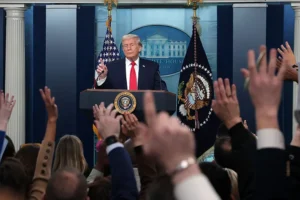
WASHINGTON, D.C. — President Donald Trump and Treasury Secretary Scott Bessent unveiled a sweeping new government-backed savings initiative this week called “Trump Accounts,” designed to give every American newborn a $1,000 head start toward long-term financial security. The announcement, made during a high-profile summit in the nation’s capital on Wednesday, marks one of the most ambitious federal efforts in recent years to promote wealth building for children.
A Financial Head Start for America’s Children
Under the new policy, which stems from legislation included in the One Big Beautiful Bill Act, the U.S. Treasury will deposit $1,000 into tax-advantaged investment accounts for babies born between January 1, 2025, and December 31, 2028. These funds are invested in low-cost, diversified stock market index funds and will remain untouched until the child turns 18.
Parents have already begun enrolling in what supporters describe as a transformational program: Treasury officials reported that more than 600,000 families have signed up since the launch events began.
Treasury Secretary Bessent emphasized that Trump Accounts are intended to instill financial literacy and shared ownership in the American economy, calling the initiative “one of the most innovative economic policies in recent history.”
Corporate and Philanthropic Support
The rollout drew notable corporate and philanthropic backing. Tech giants and financial institutions including Bank of America and JPMorgan Chase have announced plans to match the government’s $1,000 contribution for eligible employee families’ accounts, a move aimed at encouraging broader participation.
In an unprecedented private sector commitment, Michael and Susan Dell pledged $6.25 billion toward the program last December, earmarked to seed accounts with an additional $250 for roughly 25 million American children, particularly in low- and middle-income ZIP codes.
Trump praised the Dells’ donation at a White House event, calling it “one of the most generous acts in the history of our country,” and encouraging other philanthropists to contribute.
How the Accounts Work
Trump Accounts are designed to act as long-term savings vehicles. Once established, no funds can be withdrawn before the beneficiary turns 18, though after that age the money can be used for education, home buying, business investment, or other major life expenses. Families and employers can contribute additional funds, with annual limits designed to encourage ongoing investment.
Participants can begin opening accounts on July 4, 2026, when sign-ups officially launch via IRS guidance and designated financial institutions.
Critics’ Concerns About Inequality
Despite broad support from business leaders and Republican lawmakers, some economists and policy analysts have raised concerns about potential unintended consequences. Critics argue that Trump Accounts could exacerbate wealth inequality by benefitting families who already have the resources to contribute beyond the initial government seed — especially as wealthier households tend to be better positioned to make additional contributions and access employer matches.
Opponents also caution that reliance on stock market performance exposes families to investment risk, and question whether such accounts will meaningfully address systemic barriers to economic opportunity for disadvantaged communities.
As Trump Accounts transition from announcement to implementation, federal agencies are expected to release further regulations and enrollment details in the coming months. The program’s success — and its reception across the political spectrum — will be closely watched as the 2026 midterms approach, with both parties framing it as a defining policy for America’s economic future.