By Susan S. Moore — January 26, 2026
U.S. CARRIER STRIKE GROUP ENTERS MIDDLE EAST AMID IRAN CRACKDOWN
Washington, D.C. — The United States has deployed a significant naval force to the Middle East as tensions with Iran escalate following a deadly crackdown on nationwide protests inside the Islamic Republic.
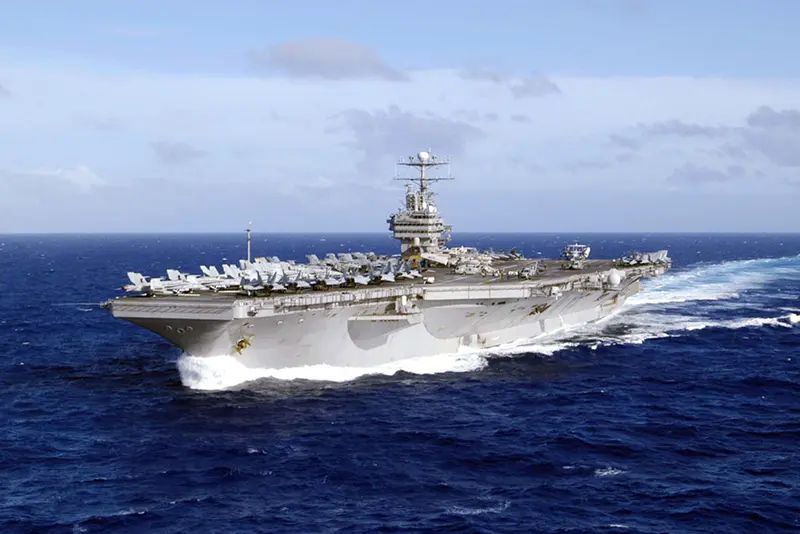
The USS Abraham Lincoln aircraft carrier strike group — accompanied by three guided-missile destroyers and supported by squadrons of F-35C fighter jets — has entered the U.S. Central Command area of operations, U.S. officials confirmed Friday. The move significantly increases Washington’s strategic options in the region and comes amidst sharply heightened concerns over Tehran’s internal repression and external posture.
Strategic Build-Up in the Middle East
According to Pentagon and Central Command officials, the carrier strike group’s arrival strengthens defensive and offensive capabilities available to President Donald Trump. The force includes advanced fighter aircraft, naval escorts equipped with Tomahawk cruise missiles, and layered electronic warfare and air defense platforms.
President Trump described the deployment over the past week as a “massive fleet” heading toward Iran, saying he hopes it does not have to be used in combat. U.S. officials characterize the movement as deterrence — designed to blunt any threats to American personnel, allies, or interests in the region.
Defense planners have also dispatched additional fighter aircraft and air defense systems to strategic locations in the Middle East to reinforce U.S. posture amid the tensions.
Iran’s Crackdown and Global Reactions
The escalation follows Iran’s widespread suppression of anti-government protests triggered in late December 2025 by economic turmoil and currency collapse. Official Iranian media reported at least 3,117 deaths related to the demonstrations, though independent estimates by rights groups place the toll substantially higher.
The U.S.-based Human Rights Activists News Agency reported more than 5,800 fatalities, with thousands more injured or detained, highlighting the challenge of verifying incidents amid nationwide internet blackouts imposed by Iranian authorities.
International observers — including United Nations human rights experts — have suggested that actual casualties may far exceed even independent tallies, reflecting the intensity of the crackdown.
Tehran’s Militarized Response
Iran’s Revolutionary Guard Corps has been vocal in its response to the U.S. military buildup. Top commanders warned that Iranian forces are “ready” and have their “finger on the trigger” if confronted by hostile actions, insisting that any attack on Iranian territory would be met with strong retaliation.
Tehran has also issued broader warnings that any U.S. strike would be treated as “total war”, signaling a willingness to escalate conflict should diplomatic efforts falter.
Regional Economic Impact and Market Volatility
The unfolding crisis has produced notable economic shockwaves, with Iranian financial markets selling off sharply. The Tehran Stock Exchange’s key indices have plunged amid investor fear of further instability and conflict, compounding existing macroeconomic stress from high inflation and currency depreciation.
Iran’s annual inflation rate remains elevated — a result of long-standing structural issues such as subsidy reforms, fiscal imbalances, and continued international sanctions — further undermining investor confidence and amplifying domestic discontent.
Why It Matters
The carrier strike group deployment underscores how domestic unrest inside Iran has spilled into a broader geopolitical confrontation. The Trump administration is balancing deterrence with diplomatic pressure, while global markets and regional security dynamics remain highly sensitive to any miscalculation between Washington and Tehran.
Military analysts note that while carriers alone do not signal imminent war, their presence conveys a significant commitment of U.S. resolve and capability. Should conflict erupt, the consequences — both human and economic — would be profound for the Middle East and markets worldwide.
What Comes Next
U.S. Central Command has indicated that the naval deployment will be accompanied by continued aerial operations and joint exercises with regional partners. Diplomatic channels remain open, with U.S. officials emphasizing measured responses and readiness to engage Iran on conditions that reduce violence and protect civilians.
Observers say that while President Trump hopes to avoid kinetic conflict, he will monitor Iran’s actions closely and preserve military options in consultation with Congress and allied governments.
Susan S. Moore is a world news reporter focused on international diplomacy, conflict, and the political forces shaping global relations.