By Maria Jones — January 26, 2026
Senate Deadlock Over DHS Funding Threatens Government Operations
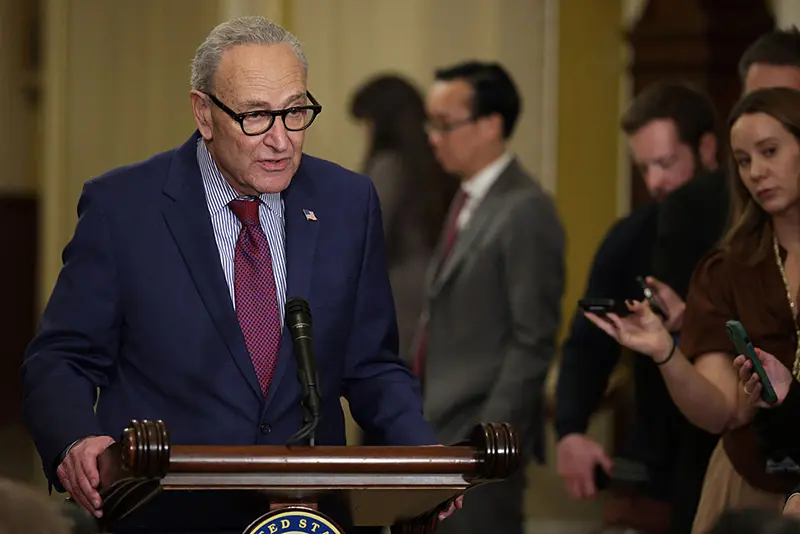
WASHINGTON — A new and bitter confrontation on Capitol Hill over fiscal year 2026 funding has sharply increased the likelihood of a U.S. government shutdown by the end of this week, as Senate Democrats led by Minority Leader Chuck Schumer refuse to support a $1.2 trillion appropriations package if it continues to include funding for the Department of Homeland Security (DHS). Democrats contend the DHS portion is unacceptable in light of recent events in Minnesota, setting up a direct clash with Senate Republicans who are rejecting efforts to separate DHS spending from the broader funding bill.
According to current prediction market pricing, odds of a shutdown have surged to roughly 77% by the end of the week, as traders weigh increased political risk against the Jan. 30 funding deadline.
Outrage in Minnesota Shapes Political Demands
The standoff stems from widespread Democratic outrage following the fatal shooting of a 37-year-old Minneapolis man by federal immigration enforcement agents, the second such lethal incident in the city this month. Senate Democrats are pushing back hard against a DHS bill that includes roughly $64.4 billion for the agency — including about $10 billion earmarked for Immigration and Customs Enforcement (ICE) — without added accountability provisions.
In announcing his opposition, Schumer declared that Democrats “will not provide the votes to proceed to the appropriations bill if the DHS funding bill is included.” He framed the move as a stand for reforms tied to recent enforcement actions.
Republicans Stand Firm; Split Funding Proposal Rejected
Senate Republican leaders, however, have refused Democratic calls to strip DHS spending out of the package. GOP leadership argues that separating the bills would jeopardize the broader funding strategy and complicate the Senate’s already tight legislative calendar ahead of Friday’s midnight deadline. According to a spokesperson for Senate Majority Leader John Thune, GOP senators plan to move forward with the six-bill package as a whole.
The remaining six appropriations bills pending in the Senate include funding not only for DHS but also for the Departments of Defense, Labor, Health and Human Services, Transportation, State, and others. Six of the 12 annual spending bills have already cleared Congress and been signed into law, shielding parts of the government from shutdown disruptions.
Bipartisan Friction and Negotiation Challenges
While many Republicans continue to defend DHS funding as vital to national security and border enforcement, some have called for investigations into the Minneapolis shootings. Louisiana GOP Sen. Bill Cassidy described the incidents as “incredibly disturbing” and urged thorough federal and state investigations.
Democratic dissent is not unanimous, but a significant cohort — including senators who previously backed bipartisan spending deals — have shifted positions. Senators such as Tim Kaine (D-Va.), Catherine Cortez Masto (D-Nev.), and Jacky Rosen (D-Nev.) have signaled opposition to the DHS funding as currently written.
Schumer and allies are urging Republicans to at least consider advancing the other five non-DHS funding bills while negotiations on DHS continue. That tact, however, would require unanimous consent in the Senate and appears unlikely given current GOP resistance.
What Happens Next
With the Senate scheduled to resume legislative business later this week and the House currently in recess, time is tight to avert lapsing funding. If lawmakers fail to agree on the remaining six bills by midnight Friday, Jan. 30, agencies funded under those bills will begin to shut down.
The evolving standoff underscores deeper fissures over immigration enforcement policy and congressional spending priorities — issues likely to shape political dynamics as the year unfolds.