By Susan S. Moore — January 19, 2026
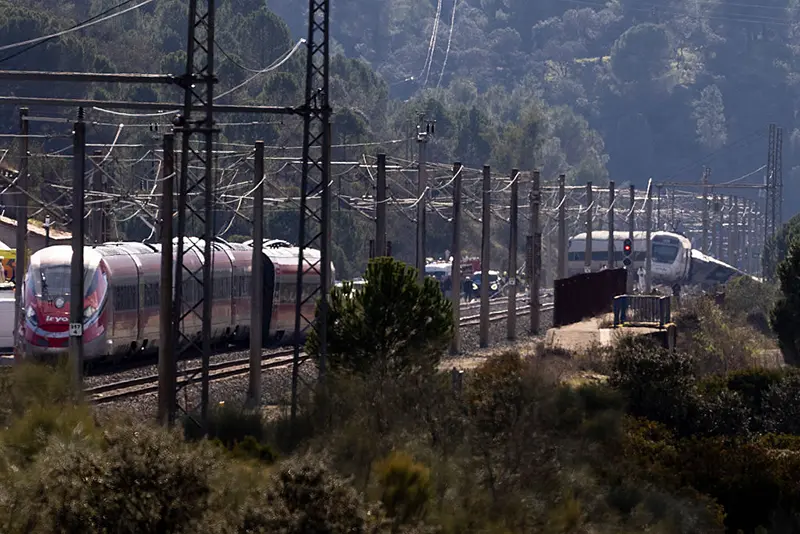
CORDOBA, Spain — At least 39 people have died and dozens more are injured after two high-speed trains collided late Sunday night in southern Spain in one of the nation’s deadliest rail disasters in more than a decade. The tragedy near Adamuz in Córdoba province has shaken Europe and intensified scrutiny of rail safety systems, with officials continuing rescue operations and investigations into the cause of the crash.
The collision occurred around 7:45 p.m. local time on January 18, when a high-speed Iryo train bound from Málaga to Madrid derailed on a straight section of track and veered into the path of an oncoming train heading from Madrid to Huelva, according to official reports. Both trains were traveling at high speeds when the derailment triggered the subsequent collision.
The rear carriages of the northbound Iryo train left the rails and struck the front of the southbound service, causing both trains to derail. At least two carriages from the oncoming train plunged down an embankment, compounding the destruction and loss of life. Emergency crews worked through the night amid twisted metal and debris to rescue survivors and recover victims.
Human Toll and Response
Officials initially reported 21 deaths, but that number was updated to 39 confirmed fatalities as recovery teams reached the most heavily damaged sections of the wreckage. Authorities have warned the toll could rise as efforts continue. More than 120 people are injured, with dozens in serious or critical condition in hospitals across the region.
Spain’s Prime Minister Pedro Sánchez has declared a period of national mourning and pledged a transparent investigation into the disaster, emphasizing support for victims’ families and survivors.
Investigation Into Cause
Preliminary examinations by rail safety experts have uncovered what may be a broken rail joint at the crash site — a defect in a fishplate, the metal component that connects sections of rail — which is being treated as a key clue in how the initial derailment occurred. Officials have said human error has been largely ruled out, pointing instead toward potential mechanical or infrastructural failure.
Importantly, the derailment took place on a recently renovated and straight stretch of high-speed track, a detail that has heightened questions about maintenance and inspection protocols. Both trains involved had passed routine safety checks, and one was a relatively new model.
Spain operates the largest high-speed rail network in Europe, a system that regularly transports millions of passengers annually across major cities like Madrid, Barcelona, Seville and Valencia. The collision not only represents a catastrophic loss of life but also raises serious concerns about the integrity of infrastructure and the effectiveness of safety systems intended to prevent cross-track incursions at high speed.
For global rail operators and policymakers, the crash casts a spotlight on the challenges of managing complex, high-velocity transportation networks in an era of aging infrastructure — even in regions with historically strong safety records.
The incident comes at a time when broader infrastructure reliability is a pressing economic concern. In the United States, for example, the 2025 Infrastructure Report Card highlighted persistent challenges in rail and transit systems, underscoring the importance of sustained investment in transportation safety. [Editor’s note: U.S. data for comparative economic context highlighted here is illustrative; direct figures not yet available for 2026.]
Transportation reliability also affects broader economic indicators, including consumer confidence and business sentiment, which are tracked by surveys such as the University of Michigan Consumer Sentiment Index and the Conference Board’s Business Confidence Measures. Declines in these indicators can signal economic stress tied to infrastructure concerns. [Editor’s note: comprehensive 2026 data releases are pending as of this writing.]
Spanish authorities and international rail safety bodies have launched a comprehensive investigation into the derailment, which is expected to analyze track conditions, mechanical systems, and safety equipment data recorders from both trains. Early findings are anticipated within weeks, with a full official report likely taking months.
In the meantime, high-speed rail services between Madrid and Andalusia have been suspended and may remain limited pending safety reviews. Officials have stressed the importance of learning lessons from this tragedy to prevent future collisions — a task that now carries heightened urgency across Europe’s closely integrated rail networks.
Susan S. Moore is a world news reporter focused on international diplomacy, conflict, and the political forces shaping global relations.