By Josh Hightower — January 16, 2026
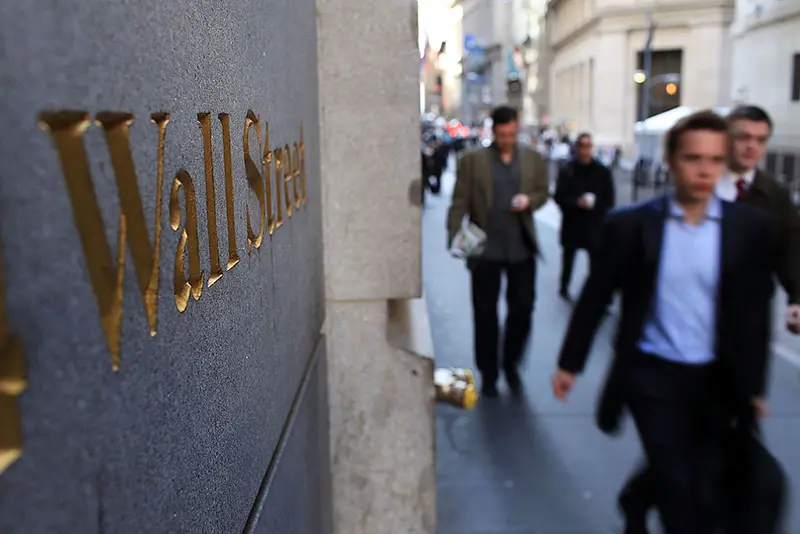
NEW YORK — Major Wall Street banks closed out 2025 reporting a record-setting $134 billion in trading revenue, driven by intense market activity, resilient equities performance and a rebound in dealmaking, according to multiple banking executives and industry data.
Record Trading and Strong Deal Activity
Wall Street’s largest banks — including JPMorgan Chase, Goldman Sachs, Morgan Stanley, Bank of America and Citigroup — posted combined trading revenue of about $134 billion for the year, a notable jump from 2024 and the highest haul in recent memory for the sector.
Executives characterized the surge as part of a broader upswing in capital markets activity, with deal pipelines for mergers & acquisitions (M&A) and initial public offerings (IPOs) showing renewed strength heading into 2026.
Morgan Stanley CEO Ted Pick described the current backdrop for trading and capital markets as “ideal,” reflecting heightened client engagement across asset classes after a period of more muted activity.
Goldman Sachs also reported record equities trading revenue, with strong performance in fixed income, currencies and commodities helping to fuel overall growth.
What’s Driving the Gains
A combination of market volatility, driven in part by geopolitical tensions and shifting economic policies, kept trading floors busy throughout the year, industry analysts say. Despite political uncertainty around Federal Reserve policy direction, stock and bond markets remained active, generating significant buy-sell interest from institutional investors.
At the same time, investment banking deal flow has accelerated, with key sectors like healthcare, technology and industrials contributing to a rebound in advisory and underwriting fees. Broader economic conditions — including moderating inflation and expectations for future interest rate moves — also supported risk-taking.
Dimon on Fed Independence Amid Market Strength
Amid the strong financial results, JPMorgan Chase CEO Jamie Dimon used recent earnings calls to issue a rare policy warning, cautioning that efforts to undermine the independence of the Federal Reserve — particularly criticisms and legal pressure directed at Fed Chairman Jerome Powell — were “probably not a great idea” and could have unintended macroeconomic consequences.
Dimon and other Wall Street leaders have publicly affirmed the importance of a politically impartial Federal Reserve, suggesting that weakening that independence could fuel inflation expectations and disrupt long-term financial stability — views echoed by ratings agencies and international central bankers.
Economic Backdrop and Market Performance
The broader U.S. economy entering 2026 shows mixed but generally stable indicators:
- The Federal Reserve’s Beige Book survey noted modest economic growth and stable employment, although inflation pressures remain above the central bank’s 2 percent target.
- Financial markets have continued to rise despite political turbulence and debate over monetary policy direction, highlighting investor appetite for risk assets.
Why It Matters
The record trading revenue underscores the continued importance of capital markets businesses to the profitability of large U.S. banks. In recent years, market volatility and interest rate shifts have heightened trading activity, making Wall Street firms attractive to investors focused on financial sector earnings and balance sheet strength. Analysts suggest financial stocks — particularly capital markets-centric firms — remain compelling in 2026 as long as deal pipelines stay robust and macroeconomic conditions allow.
Additionally, Dimon’s comments on Fed independence have heightened attention on the interplay between fiscal policy, monetary policy and financial markets — a dynamic that will continue to influence investor confidence and market direction.
Looking Ahead
Wall Street banks enter 2026 with strong momentum in trading and investment banking, but with ongoing political and regulatory uncertainties that could shape markets and risk pricing. The strength of capital markets revenue — now a central earnings driver — will be closely watched as economic data unfolds and policy debates evolve.
Josh Hightower is a business news reporter focused on markets, technology, and the economic trends shaping modern industries.