By Howard Bingham — January 16, 2026
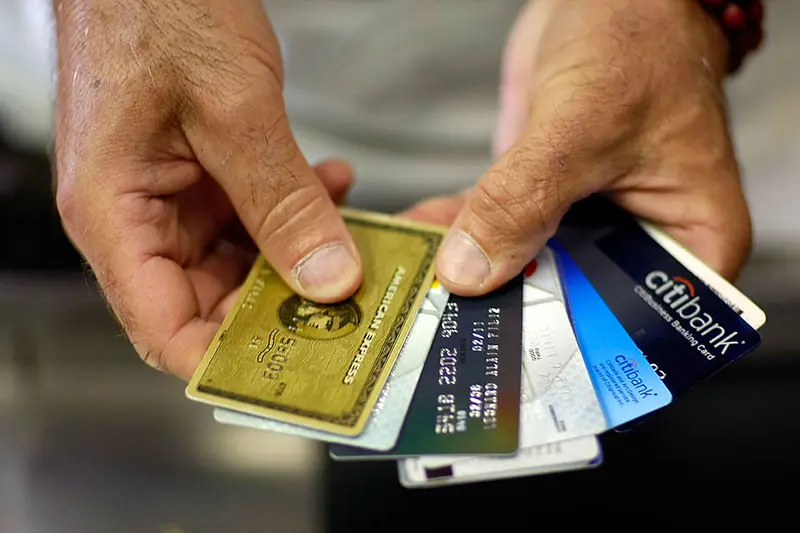
WASHINGTON — President Donald Trump on Friday renewed his campaign‑era pledge to cap credit card interest rates at 10% for one year, effective January 20, 2026, in a move aimed at lowering consumer borrowing costs but quickly drawing skepticism from GOP leaders, financial institutions, and markets alike. According to a PolitiFact analysis, no statute currently grants a president the authority to unilaterally set such limits.
What Happened
In a Truth Social post and subsequent remarks to reporters, Mr. Trump said he would impose a one‑year interest rate cap of 10% on credit cards beginning the anniversary of his second inauguration, framing the proposal as a defense against what he described as excessive rates “ripping off” the American public. Legal experts note that any enforcement would require congressional action or regulatory pathways, as presidents cannot directly dictate interest rates for private lenders.
Immediate Market Reaction
Financial markets responded swiftly. Shares of major credit card lenders slid, with Capital One and Synchrony Financial falling roughly 6–8% and other issuers including American Express, Citigroup, JPMorgan Chase, and Bank of America also showing declines after the announcement.
GOP Leadership and Congressional Response
Trump’s own party has signaled resistance. House Speaker Mike Johnson warned of “unintended consequences” if interest rate caps disrupt the availability of credit, while Senate Majority Leader John Thune cautioned that capping rates could effectively turn credit cards into debit cards and shrink lending nationwide. Previous bipartisan efforts to cap credit card interest, including legislation from Senators Bernie Sanders (I‑Vt.) and Josh Hawley (R‑Mo.), have failed to advance into law.
Industry Opposition and Consumer Lending Concerns
Financial industry groups, such as the American Bankers Association, sharply criticized the proposed cap, warning it could reduce access to credit for millions of Americans and small businesses who rely on card lending, particularly those with lower credit scores. Executives from major banks echoed these concerns, noting that a 10% cap could make credit card lending unprofitable and prompt tighter standards or fewer offerings for higher-risk borrowers. A Fox Business report highlighted JPMorgan executives’ warnings that consumers could lose access to credit if the cap were enacted.
Context: Borrowing Costs and Consumer Debt
Current credit card interest rates in the U.S. average well over 20%, with many subprime borrowers facing annual percentage rates approaching 30%, according to PolitiFact. Credit card debt nationwide exceeds $1 trillion, as consumers contend with inflationary pressures and rising living costs. Economists caution that while a lower interest rate could reduce costs for some consumers, caps can distort the risk-based pricing lenders use to extend credit to individuals with varied credit histories.
Broader Economic Signals
The proposal comes amid mixed economic signals. Inflation has eased from pandemic-era highs but remains a political and economic concern, while consumer sentiment has remained volatile. The labor market is tight, with historically low unemployment, according to Bureau of Labor Statistics data, but wage growth has been uneven relative to the cost of living.
What Comes Next
With Republican leadership in Congress publicly skeptical and no legislative vehicle scheduled to enact a cap before January 20, analysts view the president’s proposal as unlikely to become law. The announcement is expected to fuel ongoing debates over credit card regulation and consumer affordability ahead of the 2026 midterm elections. Banks may respond with voluntary interest rate adjustments, but any systemic change would require legislation or regulatory action well beyond this month’s deadline.
Howard Bingham is a business journalist covering corporate strategy, financial markets, and economic policy affecting US and global commerce.