By Maria Jones – January 15, 2026
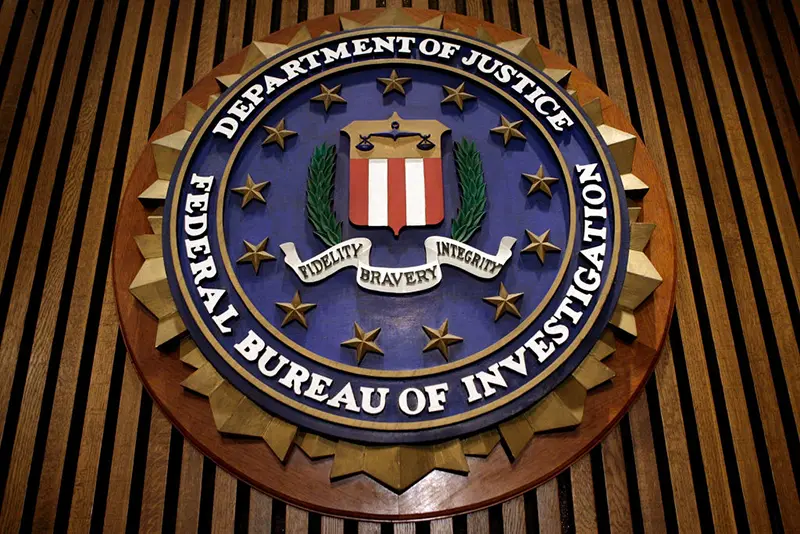
Federal authorities executed a dramatic early‑morning raid Wednesday at the Virginia home of Washington Post investigative reporter Hannah Natanson, seizing her phone, smartwatch and other electronic devices in connection with a classified leak investigation — a move that has ignited fierce debate over press freedoms and government overreach.
According to reporting by The Washington Post, FBI agents arrived under the authority of a search warrant tied to an ongoing probe into a Pentagon contractor accused of mishandling classified information. Authorities allege the contractor improperly retained sensitive intelligence documents, but Natanson and the newspaper have not been charged as targets of the investigation.
Natanson was at home when federal agents executed the warrant, confiscating her personal phone, two laptops (including a work‑issued machine), and her Garmin watch. The seizure of her smartwatch has become a potent symbol for critics who argue that the government’s reach extended into a journalist’s private life in search of confidential communication.
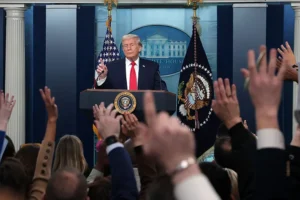
Attorney General Pam Bondi, reiterating remarks she made on social platform X, maintained that the raid was justified because Natanson was “obtaining and reporting classified and illegally leaked information from a Pentagon contractor.” Bondi framed the aggressive law enforcement action as part of the administration’s broader effort to stem unauthorized disclosures that could jeopardize national security, according to coverage by TheWrap.
But press freedom advocates are livid. The Knight First Amendment Institute called the search “an extraordinary escalation” that could deter sources from coming forward and chill investigative reporting, a cornerstone of a functioning democracy. PEN America warned that such searches are “hallmarks of illiberal regimes” and should not be normalized in the United States.
In an internal memo obtained by media outlets, The Washington Post’s executive editor described the FBI’s actions as “deeply concerning,” saying the search “raises profound questions around the constitutional protections for our work,” and emphasized the paper’s continued commitment to defending journalistic independence.
First Amendment experts note that it is highly unusual — if not unprecedented in recent decades — for federal agents to execute a warrant at a journalist’s home to obtain reporting materials, especially when the journalist is not herself a suspect. Historically, law enforcement has relied on subpoenas, metadata requests, or negotiated cooperation before resorting to physical searches, according to Associated Press reporting.
Republican critics of the action have been equally vocal, arguing the raid reflects a government hypersensitive to critical reporting. Even some civil liberties groups, traditionally aligned with liberal positions, expressed alarm at what they see as an overreach that could set a dangerous precedent, per The Independent.
As the controversy unfolds, calls are growing on Capitol Hill and across the media landscape for greater transparency, including the possible release of the search warrant affidavit that justified the actions. Whether the Justice Department will accede to those demands remains unclear — but one thing is certain: the raid on Natanson’s home won’t soon be forgotten, and its effects on press‑government relations may be felt for years to come.
Maria Jones is a writer for U.S. politics, elections, public policy, and the cultural debates shaping American governance.