By Greg Shipley – January 14, 2026
In a hard‑line move that has sparked a political firestorm in the Upper Midwest, the Trump administration declared that “temporary means temporary” in its renewed crackdown on welfare fraud linked to Minnesota’s Somali community, signaling a broader push for fiscal accountability and immigration enforcement.
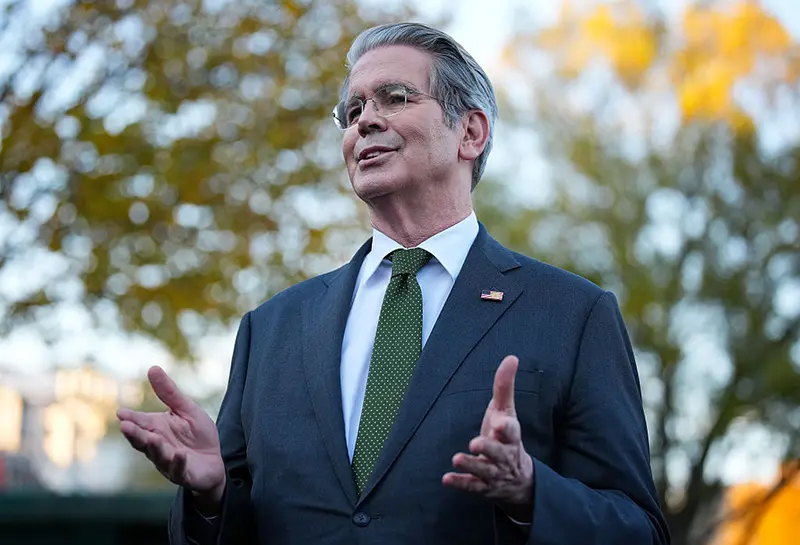
At a recent press briefing, Treasury Secretary Scott Bessent outlined a series of enhanced enforcement actions targeting misused taxpayer funds in Minnesota, including stricter reporting requirements for international transactions and a Geographic Targeting Order aimed at uncovering fraud in social services programs.
The crackdown comes amid federal prosecutions related to the Feeding Our Future scandal, where dozens of defendants in Minnesota pleaded guilty to diverting hundreds of millions of dollars from federal child nutrition programs. Officials say the case highlights how lax oversight in the state allowed fraud to flourish in programs ranging from autism services to housing assistance.
President Trump tied this enforcement push to immigration policy, ending Temporary Protected Status (TPS) for Somali nationals, a move that affects roughly 700 beneficiaries in Minnesota who must depart the U.S. by March 17, 2026. Administration officials framed the decision as part of a larger effort to ensure that public benefits are protected from fraudulent claims.
Republican lawmakers praised the policy shift, pointing to Minnesota’s history of fraud investigations and arguing that state officials failed to safeguard taxpayer dollars. GOP critics say the state’s slow response allowed schemes involving hundreds of millions of dollars to go unchecked, emphasizing the need for stronger federal oversight.
Democrats and civil rights groups fired back, claiming the administration unfairly targets Somali Minnesotans and warning that the TPS termination could harm families and local communities. Community advocates in Minneapolis and St. Paul echoed these concerns, arguing that the policy conflates criminal conduct with immigration status.
Administration officials counter that the “temporary means temporary” directive is necessary to protect American taxpayers and maintain the integrity of government programs, insisting that law enforcement rigor and immigration policy must work hand in hand to deter fraud and misuse of federal resources.
Greg Shipley covers U.S. news and politics, with a focus on constitutional issues, national security, and government accountability.