By Josh Hightower — January 14, 2026
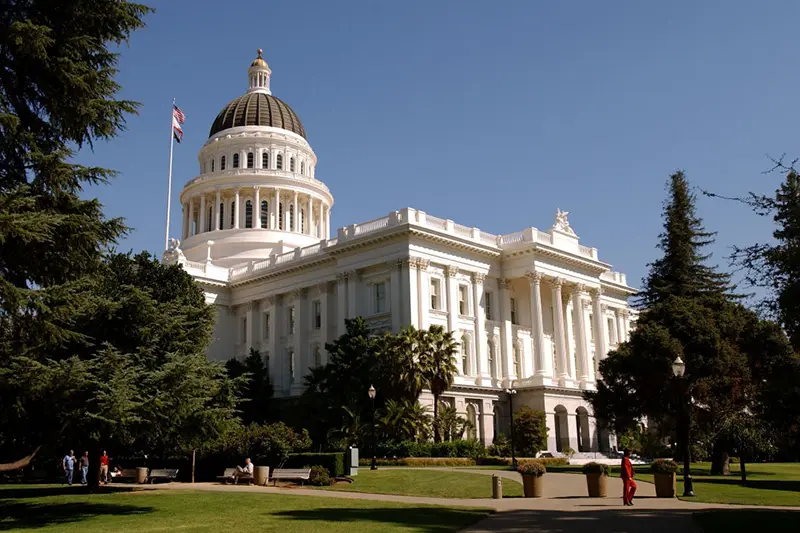
SACRAMENTO, CA — California’s ongoing debate over a proposed billionaire wealth tax is sparking real‑world economic shifts at the highest levels of wealth: Google co‑founder Larry Page has officially moved multiple business entities out of California, and fellow co‑founder Sergey Brin has taken steps to restructure and relocate portions of his corporate footprint ahead of a potential November ballot measure.
Business Moves Amid Tax Uncertainty
According to official filings reviewed by Business Insider, Larry Page completed significant restructuring of his business interests before the end of 2025 — shifting at least dozens of limited liability companies (LLCs) and his family office out of California to states including Delaware, Nevada, Texas, and Florida.
Several ventures long associated with Page — such as Koop (his family office), Flu Lab LLC (influenza research), One Aero (aviation projects), and Dynatomics LLC (aircraft technology startup) — now list principal addresses outside California.
Brin has similarly moved or terminated around 15 LLCs, converting many into Nevada entities and reducing his in‑state corporate footprint.
One entity historically associated with both Page and Brin — T‑Rex LLC — also shifted from California to Delaware with a listed office in Nevada late last year.
What’s Driving the Exodus
Both founders’ moves come as California considers placing the “2026 Billionaire Tax Act” on the November ballot. Backed by unions like the Service Employees International Union–United Healthcare Workers West, the proposal would levy a one‑time 5% tax on individuals with net worths above $1 billion, retroactive to January 1, 2026.
Proponents argue the measure could generate tens of billions for state healthcare and education systems. Opponents — including Governor Gavin Newsom — warn it could drive capital and high‑income taxpayers out of the state, with Newsom stating the measure “damages the California economy”.
Economic Context and Broader Impacts
California currently hosts an estimated ~200 billionaires whose aggregated wealth runs into the trillions.
Broader data indicate growing migration from high-tax states to more business-friendly regions, supported by IRS and U-Haul migration statistics.
National economic indicators show restrained business confidence as inflation and labor market dynamics evolve. Consumer sentiment and investment outlooks reported by the University of Michigan and the Federal Reserve suggest cautious spending and capital allocation in high-tax regions.
What Comes Next
Supporters must gather signatures for the initiative to qualify for the November ballot. If successful, economists expect legal challenges and heated campaigns from both sides.
The moves by Page and Brin provide an early glimpse of the stakes: the ballot outcome could influence residency and investment decisions by high-net-worth individuals and shape California’s economic policy for years to come.
Josh Hightower is a business news reporter focused on markets, technology, and the economic trends shaping modern industries.